
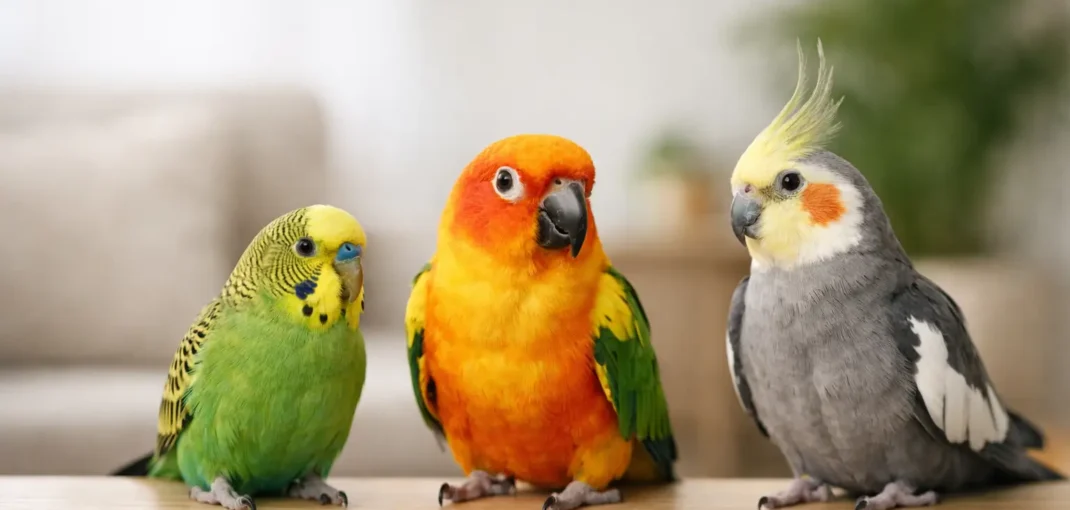
The first surprise for many new bird lovers is this: the best first parrot usually is not the flashiest one. A huge macaw may turn heads, and an African Grey may impress everyone with its intelligence, but when people ask what parrot is best for first time owners, the real answer usually comes down to daily life. Noise, mess, time, training, and temperament matter a lot more than appearance.
A good first parrot should be friendly, adaptable, and realistic for your home. It should also match your energy level and experience. That means there is no single perfect species for every beginner, but there are a few that stand out as much easier and more rewarding for first-time owners than others.
What parrot is best for first time owners?
For most beginners, cockatiels and budgies are the strongest choices. They are smaller, easier to manage, and often more forgiving while you learn the basics of handling, feeding, cleaning, and building trust. If you want a bird with a bigger personality and more interaction, some conures can also be a good fit, but only if you are comfortable with more noise and a stronger need for daily engagement.
If your goal is a sweet, home-friendly companion that can settle into family life without overwhelming you, a hand-raised cockatiel is often the safest place to start. Budgies are also excellent for first-time owners, especially if you want a smaller bird that is cheerful, social, and easier on space and budget.
Why beginner-friendly parrots matter
Parrots are not starter decorations. They are intelligent, emotional companions that need attention, enrichment, and patience. Even smaller parrots require daily care and social interaction. Choosing a species that fits your lifestyle can make the difference between a bird that thrives and one that becomes stressed, loud, or hard to handle.
First-time owners often underestimate how much routine matters. Birds do best when meals, sleep, out-of-cage time, and social bonding happen consistently. A species that is more flexible and easier to read gives you room to grow into good habits without feeling overwhelmed right away.
The best beginner parrots to consider
Cockatiels
Cockatiels are one of the most loved first parrots in American homes, and for good reason. They are affectionate, gentle, and usually easier to handle than many larger parrots. Their size is manageable, their body language is easier to learn, and many are happy to whistle, perch on a shoulder, and enjoy steady companionship without demanding constant intensity.
They are also a strong fit for families who want a bird that feels interactive but not overpowering. Compared with larger parrots, cockatiels are generally less intimidating for children and adults who are still getting comfortable with bird handling. They do need daily attention, but their overall care is usually more approachable for beginners.
The trade-off is that cockatiels are dusty birds, so they may not be ideal for people with sensitivities. They can also become lonely if ignored for long stretches. Still, for warmth, personality, and beginner-friendly handling, they are hard to beat.
Budgies
Budgies, also called parakeets, are another top choice when asking what parrot is best for first time owners. They are small, bright, social, and often more capable of bonding than new owners expect. A young, well-socialized budgie can become very interactive and may even learn words and routines with gentle training.
Their smaller size makes them easier to house and less expensive to set up for properly. They are a smart option for apartments, smaller homes, or anyone who wants to learn parrot care on a more manageable scale. They also tend to be less physically demanding to handle than larger hookbills.
That said, their small size means they can be more delicate, and some first-time owners mistake that for being low-maintenance. Budgies still need space, toys, quality food, out-of-cage activity, and patient socialization. They may also be a little more skittish in the beginning, especially if they were not well handled early.
Green-cheek conures
If you want a cuddly bird with a little more boldness, a green-cheek conure may be worth considering. These parrots are playful, curious, and often very people-oriented. Many form strong bonds and love being part of household activity.
For the right first-time owner, they can be wonderful. They are smaller than many popular parrots but still have that lively, engaging personality people imagine when they picture a companion bird. They are often more manageable than larger parrots while still feeling very interactive.
The main caution is energy. Green-cheek conures can be nippy if not trained well, and they need regular handling and mental stimulation. They are usually quieter than some other conures, but they are not silent. If you want a bird that is calm and easygoing all day, this may not be your best fit.
Birds that may be harder for beginners
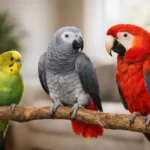
Some species are beautiful, brilliant companions, but they are usually better for owners with more experience. African Greys are highly intelligent and deeply sensitive. They can bond intensely, but they also require serious mental stimulation and consistency. Amazons are charismatic and fun, yet they can be loud, strong-willed, and harder to read. Cockatoos are loving but famously demanding, with emotional needs that can overwhelm a first-time owner. Macaws are stunning family members, but their size, power, noise, and long-term care needs are a major commitment.
None of these birds are bad choices in the right home. They just come with less margin for error. A first parrot should help you build confidence, not leave you feeling outmatched.
How to choose the right first parrot for your home
Think about noise honestly
Every parrot makes noise, but some make a lot more of it. If you live in an apartment, have close neighbors, or simply prefer a quieter home, budgies and cockatiels are usually safer choices than larger parrots or louder conures. Noise tolerance is one of the biggest reasons good matches fail.
Match the bird to your schedule
A social parrot needs real daily interaction. If your household is busy but someone is usually home, a friendly companion bird may settle in beautifully. If everyone is gone for long hours and evenings are hectic, even an easy species can become bored and frustrated.
Consider children and handling
Families often want a bird that is sweet and home-friendly, but supervision still matters. Smaller, gentle birds like cockatiels can be a more comfortable fit for families learning together. What matters most is not just species, but a bird’s individual temperament and how respectfully the family handles it.
Be realistic about cleaning and care
Parrots scatter seed, drop feathers, shred toys, and need cage cleaning. Bigger birds create bigger messes. A smaller beginner bird may be the difference between care that feels manageable and care that starts feeling like a chore.
Temperament matters as much as species
One of the biggest mistakes first-time buyers make is choosing by species name alone. Within every species, personalities vary. A well-socialized, hand-raised young bird is often much easier for a beginner than a poorly socialized bird from a supposedly easy species.
That is why trustworthy guidance matters. When a bird has been raised with human interaction and selected for companion temperament, the transition into family life is often smoother. At Exoticpets701, that focus on friendly, ready-to-bond companion birds is exactly what helps first-time owners feel more confident bringing a parrot home.
What most first-time owners are really looking for
Usually, people are not asking for the smartest bird or the rarest bird. They want a bird that feels like part of the family. They want something affectionate, manageable, and enjoyable to live with every day. They want a companion that can grow with them while they learn.
That is why cockatiels so often come out on top. They are warm, expressive, and beginner-friendly without feeling boring. Budgies are a close second, especially for buyers who want a smaller bird with charm and lower overall intensity. Green-cheek conures fit people who want more playfulness and can give a little extra time and patience.
A simple answer to a common question
If you want the safest overall choice, start with a cockatiel. If you want a smaller and budget-friendlier bird, choose a budgie. If you want a more playful little parrot and do not mind a stronger personality, consider a green-cheek conure.
The best first parrot is the one that fits your real life, not your dream picture. Choose for temperament, care level, and family compatibility, and your first bird has a much better chance of becoming exactly what you hoped for – a happy companion that truly feels at home with you.
2 Comments
[…] That is especially true in homes with children. Families often do best with parrots that are known for being affectionate without being too fragile, responsive without being overly demanding, and playful without becoming too intense. A bird can be stunning and still not be the easiest fit for a first-time owner. […]
[…] quieter, some are more playful, some need more daily interaction, and some are better matches for first-time owners. A good online buying experience should help you narrow those choices instead of making them feel […]