When families start looking at companion parrots for sale, they are usually not just shopping for a bird. They are trying to picture daily life with a feathered companion that talks, plays, bonds, and truly feels at home in the house. That is why the best choice is not always the flashiest color or the biggest personality at first glance. It is the bird whose temperament, age, energy level, and care needs match your home.
A companion parrot can become part of the family in a very real way. Some love steady one-on-one attention. Others thrive in a lively household where there is always a voice to answer and something interesting to watch. Choosing well at the beginning makes the transition easier for both you and your bird, and it sets the stage for trust, comfort, and a stronger bond.
What to Look for in Companion Parrots for Sale
The word companion matters here. Not every parrot is the right fit for every household, even within the same species. A family-friendly bird should have more going for it than beauty alone. You want to know how the bird has been raised, whether it has been handled regularly, how comfortable it is around people, and whether it shows the kind of calm curiosity that helps it settle into a home.
Age is one of the first things buyers notice, and for good reason. Younger parrots are often easier to guide through bonding and routine-building, especially for first-time owners. A young, social bird can learn your household patterns more quickly and may be more open to gentle training. That said, younger birds also need patience. They are still learning how to communicate, how to feel secure, and how to respond to a new environment.
Temperament is just as important as age. Some parrots are playful and outgoing from the start. Others are gentle, observant, and slower to warm up. Neither personality is wrong. It depends on what you want. If you have children at home, many families prefer a bird with a steady, social nature rather than one that gets overstimulated easily. If you are an experienced owner who enjoys training and enrichment, you may be comfortable with a more intense personality.
Choosing the Right Species for Your Home
Different species bring very different experiences. This is where excitement can sometimes outrun practicality, so it helps to be honest about your space, schedule, and expectations.
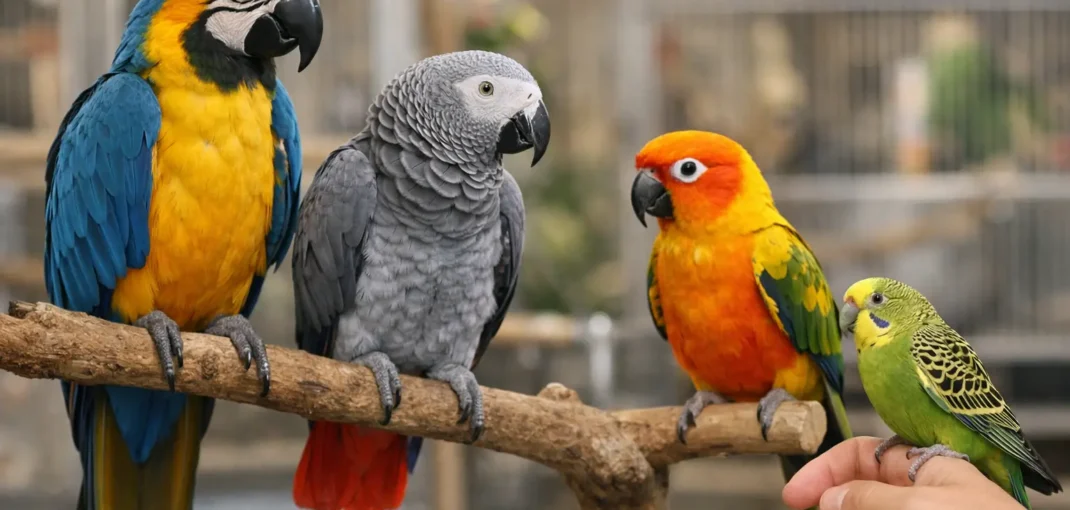
African Grey parrots are loved for their intelligence and deep awareness. They can form strong bonds and are wonderful companions for owners who enjoy interaction, routine, and mental stimulation. They are not usually the best choice for someone who wants a low-effort pet. They notice everything, and they do best when their environment feels stable and engaging.
Amazon parrots often appeal to buyers who want a bold, social bird with a lively personality. Many are affectionate and entertaining, but they also need structure and regular attention. In the right home, they become joyful companions with a lot of presence.
Cockatoos are famous for affection and closeness. They can be incredibly loving, but they also tend to need a great deal of emotional connection. That can be wonderful for a home ready to give plenty of time and attention. For buyers with long work hours or limited daily interaction, a cockatoo may feel more demanding than expected.
Macaws are stunning and often very interactive, but size matters. A large bird needs more room, more supervision, and more confidence from its owner. Families drawn to macaws should think carefully about space, noise, and long-term commitment.
Cockatiels, parakeets, and sun conures are often attractive options for buyers who want a bird that feels more approachable at the beginning. Cockatiels are especially popular with families because they are often sweet, responsive, and easier to read than some larger parrots. Parakeets can be cheerful and social, while sun conures bring color, charm, and a spirited personality. The trade-off is that smaller does not always mean quieter or easier. Every species has its own rhythm.
Why a Hand-Raised, Home-Friendly Bird Matters
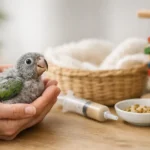
When a parrot is being welcomed into family life, early socialization can make a real difference. A hand-raised bird that has spent time around people is often more prepared for household sounds, daily interaction, and the basics of bonding. That does not mean the adjustment will be instant. Even a tame, affectionate bird needs time to feel safe in a new home. But a home-friendly start can reduce stress and help owners feel more confident.
This is especially helpful for first-time parrot buyers. A bird that is already used to gentle handling and regular human contact is often easier to work with during those early days. You are not starting from zero. You are building on a foundation.
For many families, this is one of the most reassuring parts of the process. They do not just want a beautiful bird. They want one that is ready to connect, curious about people, and likely to grow into a steady companion with proper care.
Questions to Ask Before You Buy
Before choosing from available companion parrots for sale, it helps to slow down and ask a few practical questions. How much time will the bird have with people each day? Is your home generally quiet and structured, or active and busy? Are you comfortable learning parrot behavior, body language, and daily care routines?
You should also think about noise tolerance, cage space, and enrichment. Parrots are intelligent animals, not decorative pets. They need attention, variety, and interaction. A bird that does not get enough stimulation can become frustrated, loud, or withdrawn. That is not a sign of a bad bird. It is usually a sign that the setup needs work.
It is also smart to ask about the bird’s current habits. What foods is it eating? How does it respond to handling? Has it been raised around household activity? These details matter because they help you prepare for the transition instead of guessing once the bird arrives.
Bringing Your New Parrot Home
The first few days matter more than most buyers expect. Even a friendly bird can act quiet, nervous, or uncertain in a new setting. That is normal. A new cage, new smells, new voices, and a new routine can feel overwhelming at first.
The best approach is calm consistency. Keep the space peaceful, speak softly, and let the bird observe before expecting too much interaction. Offer familiar foods, maintain a regular light and sleep schedule, and avoid crowding the cage. Trust builds faster when the bird feels respected.
Families with children should treat the first week as an introduction period. Excitement is natural, but parrots do best when attention is gentle and predictable. A bird that feels safe is far more likely to become affectionate and engaged.
A Good Match Is Better Than a Fast Sale
Buying a parrot should feel exciting, but it should also feel thoughtful. The right bird is not simply the one available today. It is the one that fits your lifestyle, your experience level, and your idea of companionship. A calm cockatiel may be a better family bird than a larger, more demanding species. An African Grey may be perfect for a dedicated owner who wants deep interaction and daily mental engagement. It depends on the home.
That is why guidance matters. A caring seller should help buyers think beyond color and species name. They should talk about bonding, behavior, adjustment, and what daily life with that bird really looks like. At Exoticpets701, that family-first approach is part of what helps buyers feel more at ease. People want support, not pressure.
There is nothing ordinary about sharing your home with a parrot. These birds are bright, emotional, funny, affectionate, and full of personality. The best shopping experience respects that. It helps you choose with confidence, prepare with care, and welcome a bird that feels less like a purchase and more like a new companion waiting to settle in.
If you are looking for a parrot that is friendly, home-ready, and able to grow with your family, take your time and choose with your real life in mind. The right bird will not just stand out on a listing page. It will feel like a natural fit for the home you are building.