A parrot can fill a room with personality in about five minutes. The real question is whether that personality fits your home, your pace, and the kind of companion you want for the long haul. When families start searching for hand raised parrots for sale, they are usually looking for more than a beautiful bird. They want a young companion that feels comfortable around people, settles in well, and is ready to become part of everyday life.
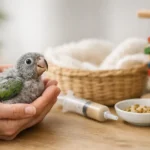
That is exactly why hand-raising matters so much. A hand-raised parrot has typically spent important early time around people, learning trust, comfort, and social interaction. That does not mean every bird will act the same, and it does not guarantee a perfect match overnight. It does mean you are often starting with a stronger foundation for bonding, handling, and home life.
Why hand-raised parrots stand out
For many buyers, the biggest appeal of hand-raised parrots is temperament. Birds that have been gently handled from a young age are often more confident with people and more open to learning routines. That can be especially reassuring for first-time owners who want a bird that feels approachable rather than intimidating.
There is also a practical side to it. A parrot that is used to human interaction may adjust more smoothly to step-up training, feeding routines, and out-of-cage time. Families often feel more comfortable bringing home a bird that has already had positive exposure to everyday contact.
Still, it helps to keep expectations realistic. Hand-raised does not mean silent, effortless, or instantly cuddly. Parrots are intelligent, emotional animals with species-specific traits, moods, and preferences. Even a very friendly young bird will need time, patience, and consistency in a new environment.
Hand raised parrots for sale – choosing the right species
The best parrot is not always the rarest or the most colorful one. It is the one that matches your household.
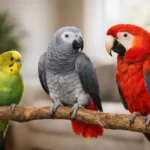
African Greys are loved for their intelligence and talking ability, but they do best with owners who enjoy mental engagement and steady routines. Amazon parrots are often lively and social, with big personalities that can be a wonderful fit for interactive homes. Cockatoos are deeply affectionate, but they usually need a lot of attention and can be emotionally demanding.
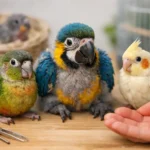
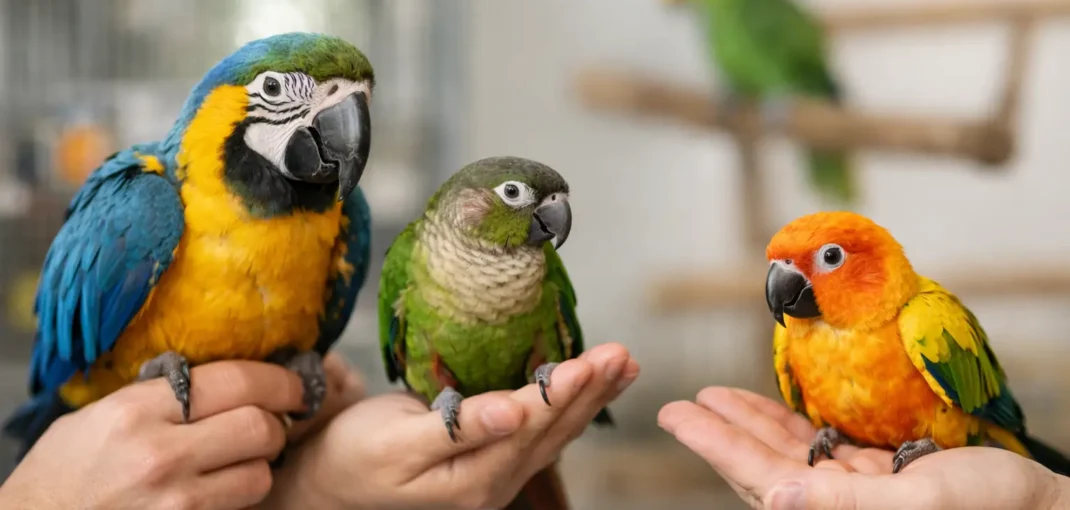
Macaws bring beauty, presence, and strong bonds, yet their size and energy level are a serious commitment. Smaller companions like cockatiels, parakeets, and sun conures are often more approachable for families who want a manageable bird without giving up charm or companionship. Smaller does not always mean easier, but it can mean a better fit for beginners or homes with limited space.
The key is to think beyond appearance. Ask yourself how much time you have each day, how much noise your household can handle, and whether you want a bird that is highly interactive or a bit more easygoing. A great match feels natural in real life, not just exciting on a screen.
What to look for in a healthy, home-friendly parrot
When you are comparing hand raised parrots for sale, health and social readiness should matter just as much as age and species. A young bird should look bright, alert, and comfortable in its environment. Clear eyes, clean feathers, active posture, and a curious attitude are all encouraging signs.
Temperament matters, too. A home-friendly parrot does not need to be perfectly calm at every moment, but it should show some willingness to engage. Depending on species and age, that may look like stepping toward a person, responding to gentle attention, or showing relaxed body language rather than extreme fear.
It is also wise to look for sellers who speak clearly about care, feeding, and transition support. A trustworthy source does not just present a cute bird. They help you understand what that bird needs next. That kind of guidance can make the first weeks at home much smoother.
The questions smart buyers ask before bringing a bird home
A confident purchase usually starts with honest questions. How old is the bird? Has it been socialized regularly? What is it eating now? How does it respond to handling? What kind of home is this species generally best suited for?
These questions are not just for cautious shoppers. They are how loving owners prepare well. A good seller should be comfortable discussing personality, routine, and expectations instead of focusing only on the sale.
You should also ask about the bird’s current habits. Some parrots are already familiar with household sounds, children, or basic interaction. Others may be friendlier in one-on-one settings and need a gentler adjustment period. Neither situation is automatically bad, but knowing the difference helps you set your home up the right way.
Why young parrots appeal to families
Many families prefer younger birds because early bonding can feel especially rewarding. A young parrot that has been hand-raised often arrives ready to build trust, learn household patterns, and grow with the family. That is a big reason these birds are often described as ready to bond.
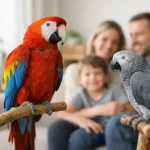
For homes with children, though, the right fit still depends on supervision and species choice. Even the sweetest bird should be handled respectfully, and children need clear guidance about noise, movement, and personal space. A parrot is not a toy or a background pet. It is a sensitive companion that notices tone, routine, and energy.
When the match is right, that relationship can be wonderful. Many families love the daily greetings, playful sounds, and social connection parrots bring into the home. The bird feels included, and the home feels more alive.
Preparing your home before your parrot arrives
A smooth transition starts before delivery day. Set up the cage in a calm area where the bird can see family activity without being overwhelmed. Avoid placing it in a drafty spot, directly by a kitchen hazard, or in a place with constant chaos.
Have food, fresh water dishes, perches, and a few appropriate toys ready from the start. Keeping the first setup simple is often better than overloading the cage. Your new parrot needs a place that feels safe, stable, and easy to understand.
Routine matters right away. Try to keep feeding times, sleep schedule, and interaction periods consistent. Parrots tend to relax when they can predict what comes next. That sense of structure supports trust and makes adjustment easier.
The first few weeks matter more than most buyers expect
The early days at home shape your relationship. Some birds settle in quickly and begin showing affection right away. Others take a little longer and prefer to observe before fully engaging. Both responses are normal.
This is where patience pays off. Sit near the cage, speak gently, and let the bird learn your voice and presence. Offer interaction without forcing it. A hand-raised parrot may be people-oriented, but a new home is still a major change.
Training should begin with simple trust-building. Stepping up, accepting treats, and staying calm during short interactions are more valuable at first than trying to teach tricks or words. A strong bond is built through repetition, comfort, and positive experiences.
Finding a seller that feels caring, not careless
One of the biggest differences in the buying experience comes down to communication. A caring bird seller helps you choose, not just checkout. They understand that buyers may need reassurance about temperament, care, and what species fits best.
That is especially helpful for first-time owners who want expert support without being made to feel inexperienced. The right source should be warm, informative, and transparent about what each bird needs. At Exoticpets701, that family-focused approach matters because customers are not just shopping for a pet. They are choosing a companion they hope to love for years.
There is also value in a curated selection. When a retailer focuses on companion parrots that are known for friendliness, youth, and bonding potential, the shopping experience becomes clearer. You are not sorting through random listings. You are comparing birds with home life in mind.
Is a hand-raised parrot right for you?
For many homes, the answer is yes, but only if you are ready for the commitment behind the charm. Hand-raised parrots can be affectionate, engaging, and deeply rewarding companions. They can also be noisy, needy, and wonderfully stubborn.
That mix is part of what makes them special. If you want a bird that interacts, learns your routine, and becomes a real part of the household, a hand-raised parrot may be exactly the kind of companion you have been hoping to find.
Take your time, ask good questions, and choose with your daily life in mind. The right parrot does not just look beautiful at first glance. It feels right when you picture sharing your home, your attention, and your heart with it.