
Some birds fill your home with nonstop chatter, constant mess, and a schedule that suddenly revolves around them. Others are a much better fit for real family life. If you are searching for a low maintenance pet bird, the goal is not finding a bird that needs no care. It is finding a bird whose size, temperament, social needs, and daily routine feel manageable in your home.
That distinction matters. Every pet bird deserves clean housing, fresh food and water, enrichment, and kind daily interaction. But some species are simply easier for first-time owners and busy households to care for without feeling overwhelmed. For many families, that can make the difference between a joyful companion and a stressful mismatch.
What makes a low maintenance pet bird?
A bird is usually considered lower maintenance when its day-to-day care is simpler and more predictable. Smaller birds often need less space than large parrots, make less mess, and eat smaller portions. Birds with gentler temperaments also tend to be easier for beginners, especially in homes with children who are still learning how to interact calmly and respectfully.
That said, low maintenance does not always mean quiet, cuddly, or independent. A bird may be easy to feed and house, but more vocal than expected. Another might be sweet and affectionate, but still need daily social time to stay happy. The best choice depends on what kind of effort feels easy for your family and what kind feels hard.
If your household is active, a resilient, social bird may fit beautifully. If you work long hours and want a pet that can tolerate more independent time, your options narrow. Matching expectations early saves a lot of heartache later.
Best bird species for easier daily care
When people ask for the easiest bird to keep, they are usually asking two questions at once. Which bird is easier to care for physically, and which bird is easier to live with emotionally? Those are not always the same thing.
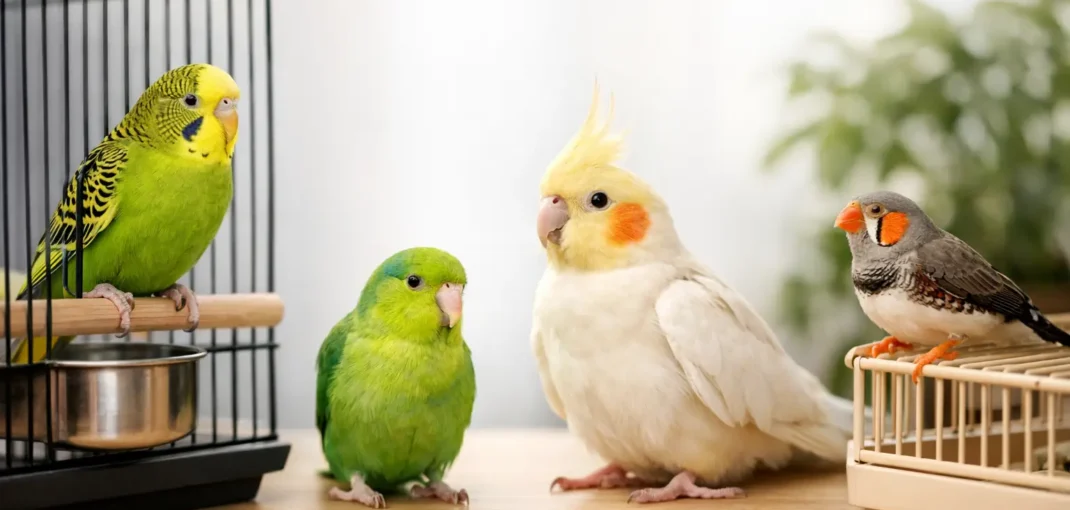
Budgies are often the easiest starting point
Budgies, also called parakeets, are one of the most beginner-friendly choices for a reason. They are small, charming, budget-friendly to care for, and usually adapt well to home life when properly socialized. Their cages are easier to clean than those of larger parrots, and their food costs are lower too.
They also bring a lot of personality without the physical demands of a larger bird. A hand-raised budgie can be affectionate, playful, and fun to teach. For families who want a friendly companion bird without taking on the intensity of a macaw or cockatoo, a budgie is often the most realistic fit.
The trade-off is that budgies can be quick and a little shy at first. They need patience and gentle handling. If you want a bird that immediately steps up with confidence, a budgie may take more trust-building in the beginning.
Cockatiels are calm, sweet, and family-friendly
Cockatiels are one of the best choices for people who want a low maintenance pet bird that still feels deeply companionable. They are usually gentle, expressive, and easier to read than some smaller birds. Their body language is clear, and many first-time owners find that reassuring.
They often do very well in family homes because they are affectionate without being as demanding as some larger parrots. A young, tame cockatiel can bond closely with its people and still remain manageable for beginners. Their whistles and chirps are pleasant for many households, although they are not silent birds.
Cockatiels do produce dust, which is worth thinking about if anyone in the home has allergies or sensitivities. They also need steady interaction to stay social. They are lower maintenance than many parrots, but they are not decoration. They want to be part of the family.
Canaries and finches are easier if you want less handling
If your idea of an easy bird is one that does not need frequent hands-on bonding, canaries and finches deserve a look. These birds are often easier in terms of direct handling because they are usually happiest being observed rather than cuddled. They can be wonderful for people who enjoy birdsong and lively movement more than physical interaction.
Their daily care still matters, of course, but the emotional demands can be lighter than with a clingier parrot species. For a busy home that wants the beauty of birds without the expectation of constant one-on-one social time, they can be a smart option.
The trade-off is simple. If you want a bird that steps onto your finger, learns family routines, and actively bonds with you, canaries and finches may feel too hands-off.
Birds that are lovable but not truly low maintenance
This is where many buyers get tripped up. A bird can be beautiful, smart, and incredibly affectionate while still being a poor match for someone seeking easier care.
Conures, Amazons, African Greys, cockatoos, and macaws
These birds can make extraordinary companions in the right home. Many are deeply intelligent, social, and ready to bond in a very special way. But they generally need more time, more training, more space, and more emotional consistency than most beginners expect.
A larger parrot may be louder, more destructive, more selective about people, and more sensitive to routine changes. Even a very home-friendly baby bird needs thoughtful socialization and continued care as it matures. These species are often best for owners who want a bigger relationship and are fully prepared for the work that comes with it.
That does not make them bad choices. It just means they are usually not the first answer to the phrase low maintenance pet bird.
How to choose the right bird for your home
The easiest bird is not always the smallest or cheapest. It is the one whose needs fit your everyday life.
Start with your schedule. If someone is home daily and enjoys interacting with a bird, a cockatiel or budgie may be a lovely fit. If your home is calmer and you prefer a bird to admire more than handle, finches or canaries may feel simpler and more natural.
Think honestly about noise. Even smaller birds can be vocal, especially in the morning and evening. If you live in an apartment or have family members who are sensitive to sound, that matters just as much as cage size.
Mess is another real-life issue. Birds scatter seed, drop feathers, and splash water. Smaller birds usually create less mess, but no bird is perfectly tidy. If easy cleanup matters to you, choose a species with a smaller footprint and keep the setup simple.
Temperament matters just as much as species. A well-socialized young bird is often easier than an undersocialized bird of a supposedly easy species. That is why thoughtful guidance and careful matching matter so much when bringing home a companion bird.
Setting up a lower-stress bird routine
Part of making bird ownership feel manageable is creating a routine that works from day one. A good cage in the right size, easy-to-clean food and water dishes, a few safe toys, and a quiet sleeping routine can make daily care much smoother.
Fresh food, pellets or seed appropriate to the species, clean water, and regular cage cleaning should become automatic. Birds thrive on consistency. When feeding, rest, and interaction happen around the same times each day, most birds settle in more easily and show fewer stress behaviors.
It also helps to choose a bird that has already been raised with human interaction in mind. A tame, friendly young bird is often much easier for a family to welcome than one that is fearful or poorly socialized. That early foundation can shape everything from handling to trust to how quickly your new pet feels at home.
The best low maintenance pet bird for most beginners
For most first-time bird owners, budgies and cockatiels are the strongest choices. Budgies are affordable, cheerful, and easier to house. Cockatiels are gentle, affectionate, and especially appealing for families who want a sweet, interactive bird without stepping into the demands of a larger parrot.
If hands-off beauty is enough, finches and canaries can be even easier in some homes. If you are dreaming of a bigger parrot personality, it is better to be honest that you are choosing a higher-maintenance companion and prepare accordingly.
At Exoticpets701, we believe the right bird should feel like a natural part of your family, not a daily struggle to keep up with. The happiest match usually comes from choosing a bird you can truly care for with confidence, patience, and joy.
A low-maintenance bird is never a no-maintenance bird, but the right match can still feel wonderfully easy. When your bird’s needs fit your home, daily care stops feeling like a chore and starts feeling like one of the best parts of the day.



1 Comment
[…] usually enjoys being near people, likes routine, and can become a very loyal little companion. For first-time bird owners, that balance of sweetness and manageable care makes them especially […]