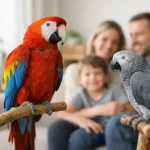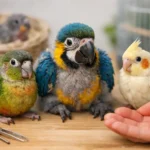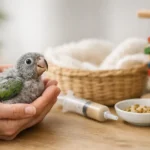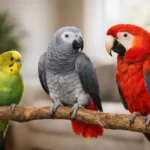
The fastest way to spot a good parrot care routine is to look at the food bowl. If you have been wondering what do parrots eat daily, the short answer is this: a healthy parrot diet should include quality pellets, fresh vegetables, some fruit, a small amount of seeds or nuts, and clean water every single day. The longer answer matters, because the right balance can shape your bird’s energy, feathers, mood, and long-term health.
For families bringing home a young companion bird, feeding can feel confusing at first. One person says seeds are fine. Another says fruit is enough. The truth sits in the middle. Different species have slightly different needs, but most companion parrots do best on a varied daily diet that is built around nutrition, not convenience.
What do parrots eat daily for good health?
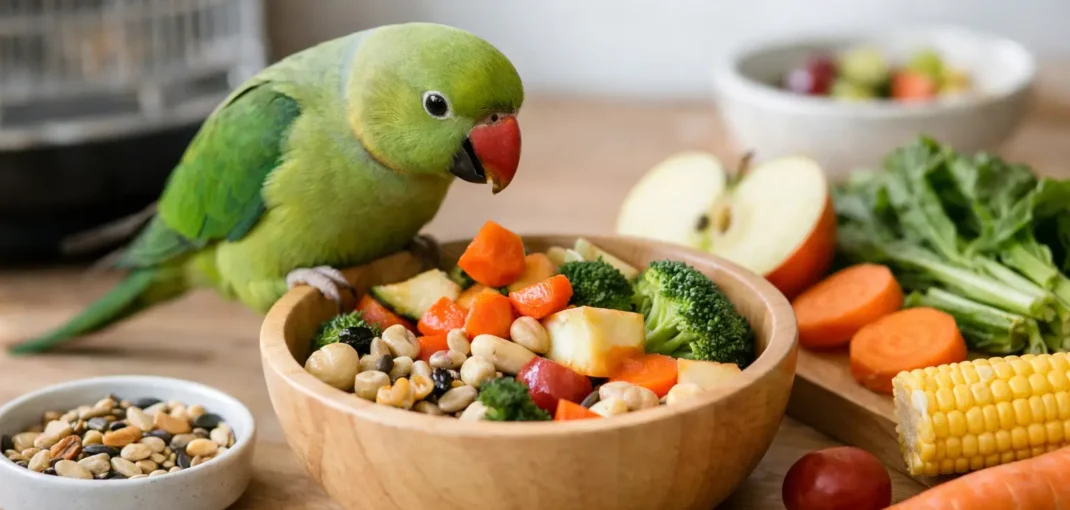
Most pet parrots should eat a base diet of high-quality formulated pellets, with fresh foods added every day. For many companion birds, pellets make up about 60 to 70 percent of the diet, fresh vegetables around 20 to 30 percent, and fruit, seeds, and nuts offered in smaller amounts. That ratio is not a strict law for every bird, but it is a dependable starting point for many species kept in US homes.
Pellets help cover nutritional gaps that happen when birds pick out only their favorite pieces from a seed mix. Fresh vegetables add texture, moisture, variety, and nutrients. Fruit is healthy in moderation, but too much can push sugar intake higher than it should be. Seeds and nuts are loved by most parrots, but they are better used as treats, training rewards, or a small supplement rather than the main event.
This is where many new owners get tripped up. A parrot who eagerly eats sunflower seeds is not necessarily eating well. Birds, like kids, often choose the tastiest option over the most balanced one.
The core of a daily parrot diet
If you want a simple way to build a feeding routine, think in layers. Start with pellets as the nutritional foundation. Then add fresh vegetables as the daily must-have. After that, offer a little fruit and reserve richer foods like nuts and seeds for smaller portions.
Pellets as the everyday base
A good pellet should be made for parrots and sized appropriately for your bird. Small parakeets and cockatiels need smaller pieces than macaws or African Greys. Pellets are especially helpful for first-time bird families because they make it easier to provide steady nutrition, even if your bird is still learning to enjoy vegetables.
That said, not every parrot switches to pellets overnight. Some birds, especially those raised on seeds, need a gradual transition. If your bird ignores pellets at first, that does not mean pellets are wrong. It usually means the bird needs time, patience, and repeated exposure.
Fresh vegetables every day
Vegetables should show up in your parrot’s bowl daily. Dark leafy greens, carrots, bell peppers, broccoli, squash, peas, and green beans are all popular options. Chopped vegetables can be served alone, mixed into a bird-safe mash, or offered as part of a fresh morning meal.
Color helps here. Bright orange, deep green, and red vegetables often bring a wider range of nutrients. Variety also keeps feeding interesting, which matters more than many owners expect. Parrots are smart, curious companions, and food can become part of their enrichment, not just their nutrition.
Fruit in smaller portions
Fruit is a nice addition, but it should not crowd out vegetables. Apples, berries, mango, papaya, banana, grapes, and melon are common choices. Offer fruit in modest amounts because natural sugar still counts, even when the food is wholesome.
Some parrots adore fruit and will eat it first. If that sounds familiar, serve vegetables before fruit or keep fruit for later in the day. That small adjustment can make the overall diet more balanced.
Seeds and nuts as extras, not the full diet
Seeds are not evil. They are just easy to overfeed. The same goes for nuts. These foods are rich, enjoyable, and useful for bonding and training, but they usually should not make up the majority of a pet parrot’s daily intake.
Larger parrots like macaws may handle more nuts than a smaller bird, while budgies and cockatiels often need a lighter hand. Species, size, activity level, age, and overall health all affect how much is appropriate. A young, active bird may burn through calories differently than an older, quieter one.
Daily feeding looks a little different by species
A common question after what do parrots eat daily is whether all parrots should eat exactly the same foods. Not quite. The broad pattern stays similar, but portion size and preferences change by species.
African Greys often do well with a strong focus on pellets and nutrient-rich vegetables, especially leafy greens and vitamin-rich produce. Amazon parrots can be prone to weight gain, so higher-fat foods may need tighter control. Macaws typically tolerate more healthy fat, including nuts, but they still need vegetables and pellets to round out the diet. Cockatiels and parakeets benefit from variety too, even though people often assume small birds can live on seed alone.
This is one reason personalized care matters. A home-friendly young bird that is ready to bond still needs species-appropriate nutrition to stay bright, social, and active. At Exoticpets701, that kind of care guidance is part of helping families feel confident from the start.
Foods parrots should never eat
Some foods belong nowhere near a parrot’s bowl. Avocado is a serious danger for birds. Chocolate, caffeine, alcohol, onion, garlic in large amounts, and foods with heavy salt or sugar should also be avoided. Fruit pits and apple seeds should be removed, and anything moldy or spoiled needs to be thrown out right away.
Human snack foods are another problem area. Chips, candy, fried foods, and heavily processed items may seem harmless in tiny tastes, but they can create bad habits and add stress to a bird’s system over time.
When in doubt, keep it simple and fresh. If a food sounds like junk food for people, it usually is not a smart pick for parrots either.
How often should parrots eat each day?
Most parrots do best when food is offered daily in a routine they can count on. Fresh foods are often best served in the morning, when birds are naturally ready to eat and explore. Pellets can remain available longer, depending on your bird’s habits and your vet’s guidance. Fresh water should be changed at least once a day, and more often if your bird drops food into it.
A dependable schedule helps parrots feel secure. It also lets you notice changes quickly. If your bird suddenly eats less, ignores favorite foods, or starts dropping weight, that is worth paying attention to.
Signs your parrot’s diet may need work
Feeding issues do not always show up dramatically. Sometimes the signs are subtle at first. Dull feathers, low energy, overeating seeds, messy food picking, unusual droppings, and sudden weight changes can all point to a diet that needs adjusting.
Behavior can shift too. A bird that feels lousy may become less playful, less vocal, or more irritable. Of course, not every mood change is about food. Stress, hormones, sleep, and environment play a role. Still, diet is one of the first places to look because it touches everything else.
If you are unsure, a bird-experienced avian vet can help you fine-tune portions and identify nutritional gaps.
Making healthy eating easier at home
The best feeding plan is one you can actually stick with. That usually means keeping a short rotation of bird-safe vegetables and fruits on hand, preparing them in easy portions, and paying attention to what your bird truly eats instead of what you hope it eats.
Offer new foods more than once. Many parrots are cautious, and some need repeated exposure before they try something unfamiliar. You can chop foods differently, serve them warm or cool, or hang larger pieces for foraging fun. A bird that refuses diced carrots may happily shred carrot ribbons.
Clean bowls daily and remove fresh food before it spoils. Warm kitchens, sunny rooms, and damp produce can turn a healthy meal into a bacteria problem faster than expected.
What do parrots eat daily when they are thriving?
A thriving parrot usually eats a balanced diet with enthusiasm, not just one favorite item. You will see interest in pellets, regular intake of vegetables, small portions of fruit, and thoughtful use of seeds or nuts. The bird stays active, alert, social, and well-feathered. Meals become part of the bond you build together.
That is the heart of it. Feeding your parrot well is not about chasing a perfect menu every day. It is about creating a caring routine that supports a happy companion for years to come. Start with balance, watch your bird closely, and let each meal be one more way your feathered family member feels safe, loved, and right at home.