
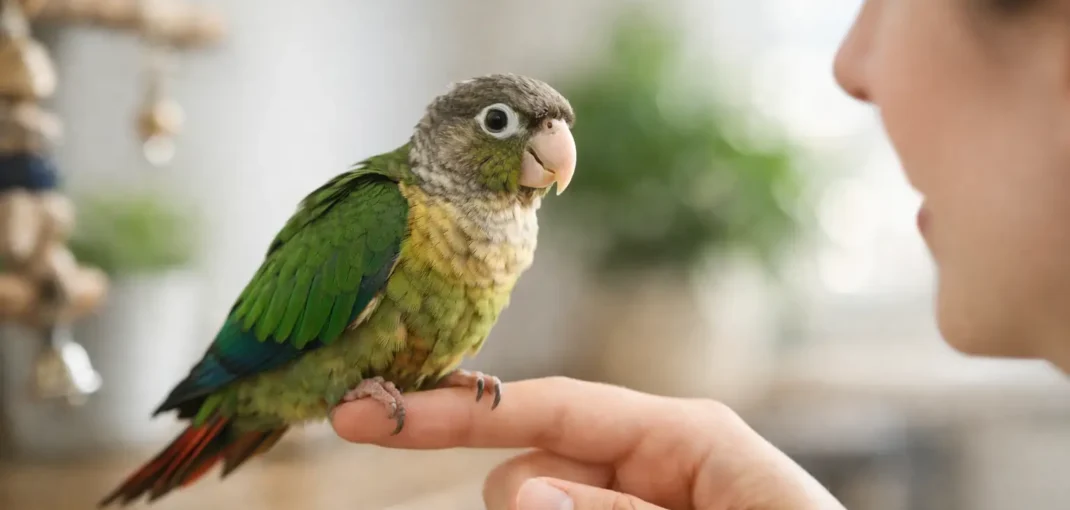
The first few days with a young parrot can feel a little magical and a little nerve-racking. One minute your bird is watching you with bright, curious eyes, and the next it is backing away from your hand like you asked too much too soon. If you are wondering how to tame a young parrot, the good news is that taming is usually less about “making” a bird behave and more about helping it feel safe enough to choose you.
That matters because young parrots are learning your home, your voice, your routines, and your body language all at once. A baby or juvenile bird may be naturally friendly, but even a hand-raised parrot can become shy in a new environment. The goal is not instant cuddles. The goal is trust, and trust grows fastest when your bird feels calm, respected, and included in daily life.
How to tame a young parrot without rushing
A lot of new owners make the same understandable mistake – they try to speed up bonding because the bird is young and “should” be easier to tame. Youth helps, but it does not erase personality. Some young parrots step up on day one. Others need a week or two just to settle before they feel brave.
Start by giving your parrot a comfortable setup in a busy but not chaotic part of the home. Your bird should be near family activity so it can observe and feel included, but not in the middle of loud traffic, blaring TVs, or constant grabbing hands. A young parrot that feels cornered or overstimulated will usually become more defensive, not more affectionate.
For the first couple of days, focus on being present rather than demanding interaction. Sit near the cage. Talk softly. Change food and water gently and predictably. Let your bird study you. Parrots are incredibly observant, and many begin bonding long before they are ready to perch on your finger.
Build trust before you ask for handling
Taming starts with body language. If your parrot leans away, flares, freezes, or darts to the back of the cage, it is telling you the pace is too fast. If it relaxes, takes treats, blinks slowly, preens, or edges closer, you are on the right track.
Offer favorite treats through the bars first if needed. Millet, a tiny sunflower seed, or a small bit of bird-safe fruit can work well depending on species and diet. Keep sessions short and positive. You are teaching one simple lesson over and over: your presence brings comfort, not pressure.
Once your bird takes treats comfortably near you, offer them from your fingers inside the cage. Move slowly and avoid reaching from above, which can feel predatory. Many young parrots prefer a hand approaching from the side or slightly below chest level.
This stage can take a few days or a few weeks. It depends on the bird’s early socialization, species, age, and temperament. A confident young cockatiel may progress quickly. A young African Grey or Amazon might need more patience because those species can be thoughtful and cautious, even when sweet-natured.
The first step-up lesson
When your parrot is comfortable taking treats and staying near your hand, begin step-up training. This is the foundation of taming because it gives your bird a clear, simple way to interact with you.
Gently place your finger or a handheld perch just above the feet and against the lower chest. Say “step up” once, in a calm voice. If your bird steps up, praise warmly and offer a treat right away. If not, do not push harder or chase the bird around the cage. Back off, reset, and try again later.
Short sessions work better than long ones. Two or three minutes, a few times a day, is usually enough for a young bird. End on a good note whenever possible. If your parrot gave you one calm touch, one treat acceptance, or one partial step, that is progress worth keeping positive.
Finger or perch?
Some young parrots are less intimidated by a perch than a hand at first. That is not a setback. A training perch can bridge the gap between fear and confidence. Once the bird steps onto the perch easily, many owners can transition to the hand with much less stress.
Create a routine your bird can count on
Parrots thrive on predictability. A young bird that knows when breakfast comes, when playtime happens, and when the room gets quiet is more likely to feel secure. Security is a huge part of tameness.
Try to interact at similar times each day. Morning and early evening are often best because many parrots are naturally more social then. Use the same cue words, the same gentle tone, and the same reward pattern. Repetition helps your bird understand what is expected.
It also helps to keep the household consistent. If one person is calm and patient but another keeps reaching into the cage suddenly, progress can stall. This is especially important in family homes with children. Kids can absolutely bond beautifully with parrots, but they need supervision and clear rules about slow movements, soft voices, and respecting the bird’s space.
How to tame a young parrot that nips
Nipping is one of the biggest worries for first-time owners, and it is often misunderstood. Young parrots do not usually nip because they are mean. They nip because they are uncertain, overstimulated, testing boundaries, or trying to communicate faster than we are listening.
If your bird nips, avoid yelling, flicking the beak, or jerking your hand away dramatically. Big reactions can scare the bird or accidentally turn nipping into a game. Instead, stay as calm as you can, place the bird down if needed, and think about what happened right before the bite. Were you moving too fast? Asking for handling when the bird looked tense? Interrupting rest time?
A pattern usually appears. Once you identify the trigger, you can adjust. Many young parrots stop nipping as trust improves and as owners become better at reading body language.
Don’t reward fear by ending every session too fast
There is a balance here. You should respect fear, but you also do not want every tiny protest to immediately end interaction if the bird is simply unsure rather than panicked. Sometimes the best move is to lower the difficulty instead of quitting altogether. If step-up feels too much, go back to treat-taking and calm talking. That still builds trust without teaching the bird that all contact disappears the moment it gets nervous.
Handling, play, and bonding outside the cage
Once your parrot steps up reliably, start offering short out-of-cage sessions in a safe room. This is where a lot of bonding happens. Young parrots are playful and curious, and play is one of the fastest ways to build a happy relationship.
Use simple toys, gentle talking, and perch-to-perch movement. Let your bird sit near you while you read, work, or relax. Many parrots tame more quickly when they feel included in normal family life instead of being treated only as a training project.
At the same time, do not confuse tameness with constant handling. Some parrots enjoy head scratches and snuggling. Others prefer being near you without a lot of touching. A well-bonded bird is not always the cuddliest bird. It is the bird that feels safe, responsive, and comfortable in your presence.
Species differences matter more than people expect
Not every young parrot tames on the same timeline. Cockatiels and parakeets often respond well to gentle repetition and can become very home friendly with steady attention. Conures tend to be affectionate and playful but can also be energetic and loud when overstimulated. African Greys are highly intelligent and sensitive, which means they often need a thoughtful, patient approach. Cockatoos can be deeply loving but emotionally intense. Amazons and macaws may be bold and social, yet still go through cautious phases.
This is why choosing a bird with the right temperament for your home matters so much. Age helps, but a young bird still needs a good match, consistent care, and a family willing to build trust the right way.
When progress feels slow
If taming seems to stall, do not assume you are failing. Young parrots go through adjustment periods, mini fear phases, and hormonal shifts as they mature. A bird that was easy for two weeks may suddenly seem wary again after a household change, a vet visit, or even a cage moved to a new corner.
Go back to basics. Sit nearby. Offer treats. Keep training brief. Protect sleep. Reduce noise. Most setbacks improve when the environment becomes calm and predictable again.
For families bringing home a baby bird from a trusted source such as Exoticpets701, the early advantage is often that the parrot has already had human contact and gentle care. Even then, your home is still a brand-new world. The bond forms through what you do every day after that first hello.
A young parrot does not need perfection from you. It needs patience, kindness, and enough steady moments to believe that your hand means safety. Once that clicks, taming stops feeling like a task and starts feeling like what you wanted all along – a real relationship growing right in your home.



2 Comments
[…] snuggling into a shirt collar or sitting close during quiet time. They are also smart enough to benefit from training, which helps beginners build trust and routines early […]
[…] help with bonding, but avoid overdoing them. A sunflower seed here and there can build positive associations. A […]