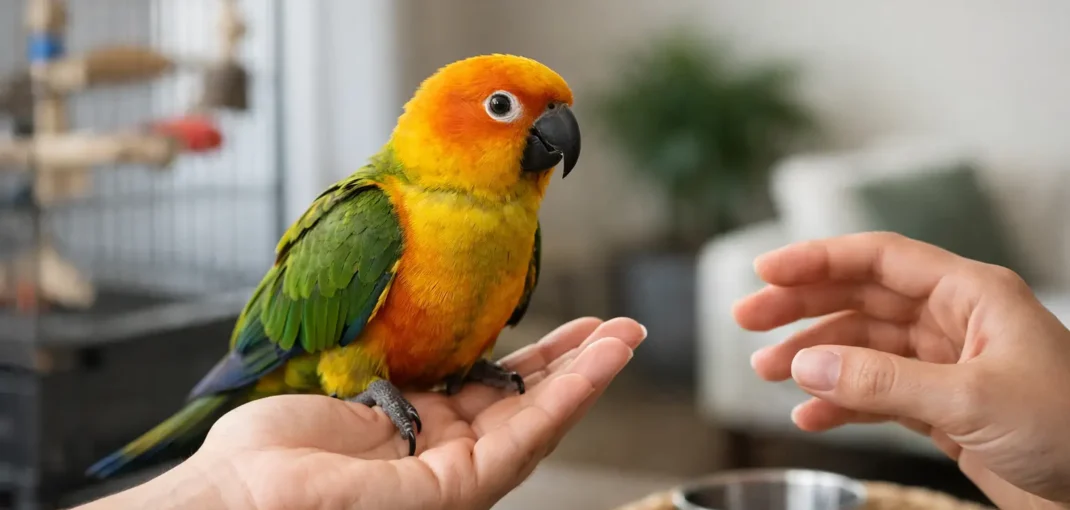
The first hour matters more than most people expect. When you are bringing a new parrot home, your bird is not thinking about toys, cute photos, or showing off new words. Your parrot is watching, listening, and deciding whether this new place feels safe. A calm, thoughtful start can shape trust much faster than people realize.
That is why the best homecoming is usually the quiet one. No big introductions. No crowded family moment. No pressure for your bird to step up, cuddle, or perform. A parrot that feels secure settles in better, eats better, and starts bonding in a much more natural way.
Before bringing a new parrot home
The cage should be fully set up before your bird arrives, not while the bird waits in a carrier and watches the room turn chaotic. Place food and water where they are easy to find, add a few perches with different textures and diameters, and keep toys simple at first. Too much clutter can be just as stressful as too little.
Choose the cage location carefully. Most parrots do best in a social part of the home where they can see and hear the family, but not in the center of nonstop traffic. The kitchen is usually not ideal because of fumes, heat, and constant activity. A living room corner or family room wall often works better, especially if one side of the cage is against a wall so the bird feels less exposed.
Temperature and air quality matter more than many first-time owners realize. Drafts, smoke, scented candles, aerosol sprays, and nonstick cookware fumes can all create real problems for birds. A clean, well-ventilated room with predictable household noise is usually the safest choice.
The ride home and the first arrival
Your parrot has already had a big day by the time it reaches your front door. The trip home should be warm, steady, and as quiet as possible. Keep the carrier secure, avoid loud music, and do not pass the bird around for everyone to hold. Even a hand-raised, friendly parrot may be cautious at first, and that is completely normal.
Once home, move slowly. Bring the carrier to the cage area, lower the lights just a little if the room is very bright, and let the transfer happen with patience. Some birds step into the cage easily. Others pause, look around, and need an extra minute. That does not mean something is wrong. It usually means your bird is thinking.
The first evening should be simple. Fresh food, fresh water, a little quiet conversation, and rest are enough. Many new owners worry if the bird does not eat much right away, but a short adjustment period is common. What matters more is whether the bird begins to relax over the next day or two.
What to expect in the first 72 hours
This is the stage where expectations can help or hurt. A new parrot may be very quiet, or surprisingly loud. It may climb all over the cage, or stay on one perch and watch everything. Some birds want attention right away. Others seem cautious even when they are naturally affectionate birds.
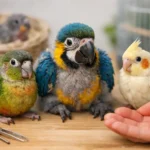
None of those responses automatically tell you what the bird will be like long term. The first few days are about transition, not personality testing. A young African Grey may seem reserved at first. A cockatiel may settle quickly. A sun conure may be vocal the very first morning. A macaw may act confident one hour and shy the next. Species matters, but individual temperament matters too.
Keep your routine predictable. Feed at regular times. Speak gently. Approach the cage from the front where your bird can see you clearly. Avoid constant reaching into the cage unless you need to refresh food and water. Your parrot needs a chance to observe your household without feeling chased by it.
Bringing a new parrot home with kids or other pets
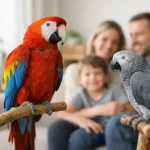
Families often imagine an instant friendship, especially if they chose a bird known for being home friendly and social. Sometimes that happens. More often, good relationships are built through short, calm interactions repeated over time.
With children, the biggest lesson is simple: excitement can feel scary to a bird. Teach kids to use soft voices, slow hands, and patient body language. Let them sit near the cage and talk or read to the parrot rather than trying to touch right away. This gives the bird a chance to connect voices and faces with safety.
Other pets need even more caution. Dogs and cats should never have free access to a new parrot, even if they seem gentle. A curious paw, a quick bark, or intense staring can create stress fast. Early management is not overprotective. It is smart.
Food, appetite, and normal adjustment behavior
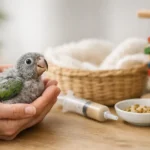
One of the most common worries after bringing a new parrot home is eating. Birds sometimes eat less in a new environment, or they eat only familiar favorites at first. That is one reason consistency matters. If your bird is used to a certain pellet, seed mix, chop, or treat, keep that diet stable during the transition before making major changes.
Watch for eating and drinking, but do not hover every minute. Some parrots wait until the room is quiet before they explore their bowls. Others toss food, which can make it look like they ate nothing when they actually sampled plenty.
Droppings also tell a story. A slight temporary change from stress is common, but persistent lack of appetite, extreme fluffing, sitting low for long periods, or signs of labored breathing are not things to brush off. Trust your instincts. New bird owners do not need to panic over every small change, but they should take clear warning signs seriously.
The first bond starts with trust, not handling
A lot of loving owners make the same mistake. They rush physical interaction because they want the bird to feel loved. Parrots usually read that very differently. To a bird, trust starts with consistency, voice, space, and gentle routines.
Sit near the cage and talk. Offer a favorite treat through the bars if your bird seems interested. Let your parrot learn your rhythm before asking for step-up training or out-of-cage time. If the bird leans away, pins its eyes, lunges, or flattens its body, that is useful information. It is not rejection. It is communication.
The birds that become wonderful family companions are not usually the ones pushed to interact on day one. They are the ones allowed to relax, observe, and come forward with growing confidence. That is where real bonding begins.
Setting up healthy routines early
Parrots thrive on patterns. Sleep, meals, social time, and quiet time should all have some consistency. This helps reduce stress and can prevent behavior issues before they start.
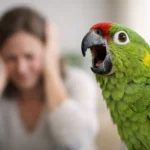
Sleep is a big one. Many parrots need around 10 to 12 hours of quiet, dark rest. A bird that stays up through a noisy household every night may become cranky, loud, or harder to handle. That does not mean your bird is difficult. It may just mean the routine is off.
Out-of-cage time should come after your parrot has started to settle and after the room is bird-safe. Close doors and windows, turn off ceiling fans, and remove anything unsafe that can be chewed or swallowed. Start with calm, supervised sessions. Short and positive is better than long and overwhelming.
When settling in takes longer than expected
Some parrots adjust in a weekend. Others need a few weeks before their real personality starts to show. This is especially true with more sensitive or highly intelligent species that notice every change in routine and environment.
If your bird seems slow to warm up, resist the urge to keep changing everything. New cage placement every day, constant new toys, or repeated attempts to force interaction usually backfire. Stability builds confidence.
This is also where buying from a caring, experienced source makes a difference. A well-socialized, hand-raised companion bird often has a much easier transition because it already understands positive human contact. At Exoticpets701, that early emphasis on friendly, family-ready parrots is part of what helps new owners feel more confident from the start.
A gentle start leads to a better companion
Bringing a new parrot home is exciting, but the sweetest moments often come after the rush fades. The first relaxed chirp, the first curious step toward your hand, the first time your bird greets you like part of the flock – those are earned through patience. Give your parrot safety first, and the affection you hoped for has a much better chance to grow naturally.