
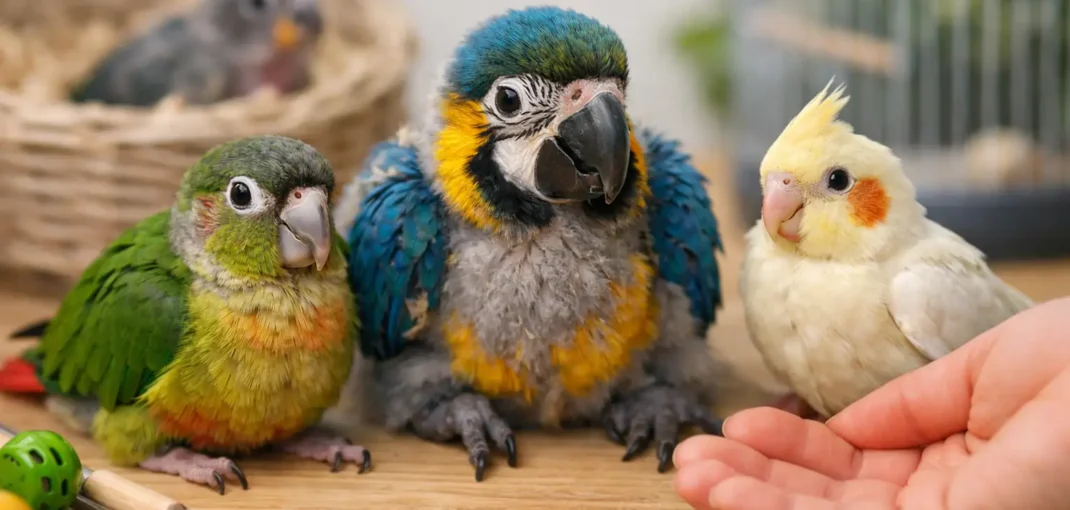
Some baby parrots melt your heart in seconds. The brighter question is whether that bird will still be a great fit six months from now, when the novelty wears off and real daily care begins. If you are browsing baby parrots for sale, the best choice is not always the flashiest bird or the rarest species. It is the one whose personality, care needs, and energy level truly match your home.
A young parrot can become an affectionate, entertaining companion, but parrots are not low-effort pets. They are social, intelligent, and sensitive to routine, noise, and handling. That is exactly why choosing carefully matters so much. Families, first-time bird owners, and experienced parrot lovers all benefit from looking beyond color and cuteness and focusing on temperament, age, and long-term compatibility.
What to look for when baby parrots are for sale
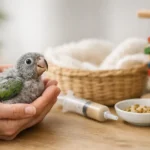
When you see baby parrots for sale online, it is easy to focus on species first. Species does matter, but the bird’s early socialization and general health often matter just as much. A hand-raised young parrot that is used to people, normal household sounds, and gentle interaction is usually easier to welcome into family life than a bird with limited social experience.
A healthy baby parrot should appear alert and responsive. Its eyes should be clear, feathers should look clean and well-kept, and its posture should show energy rather than weakness. You also want to pay attention to behavior. A baby bird does not need to be instantly fearless, but it should show curiosity and recover reasonably well from new sights or sounds.
The seller’s communication matters too. A caring bird retailer should be able to talk clearly about the bird’s age, handling, feeding stage, and personality. If you are a first-time owner, this guidance is not a bonus. It is part of a good buying experience.
Choosing the right species for your home
Not every parrot fits every household. This is where excitement and honesty need to meet. The right bird is the one you can realistically care for every day.
Smaller parrots for easier day-to-day living
Parakeets, cockatiels, and many conures appeal to families because they are often more manageable in size and daily setup. That does not mean they are simple or disposable pets. It means their space needs, food costs, and handling can feel more approachable for beginners.
Cockatiels are especially popular for homes that want a sweet, interactive bird without the intensity of a larger parrot. Many are gentle, social, and responsive, especially when raised with regular human contact. Parakeets can also make wonderful companions, particularly for owners willing to spend time building trust patiently.
Sun conures bring more noise and more dramatic personality. They are affectionate and playful, but they are not ideal for every apartment or quiet household. If you love a lively bird and do not mind volume, they can be a joyful choice.
Larger parrots for experienced or fully prepared owners
African Greys, Amazons, cockatoos, and macaws are stunning companion birds, but they ask more from their people. These birds tend to need more space, more enrichment, and more understanding of complex behavior. They can form deep bonds, but they can also become frustrated, loud, or emotionally unsettled if their needs are not met consistently.
African Greys are admired for intelligence and connection, yet that intelligence comes with sensitivity. Cockatoos can be incredibly affectionate, but they often crave a high level of attention. Macaws are beautiful and engaging, but they need room, structure, and confident care. Amazons can be charming and social, though they may also have strong personalities that require good handling and respect.
For some homes, a large parrot is absolutely the right match. The key is being honest about your time, space, and experience.
Why age and socialization matter so much
A baby parrot is still learning how to respond to people and the world around it. That early window matters. Birds that are gently handled, exposed to normal household life, and introduced to positive interaction often adjust more smoothly to a new home.
This is one reason many families prefer young, tame birds that are ready to bond. A baby parrot that has already had kind, consistent human contact may be more open to step-up training, cuddly moments, and everyday routines. That does not guarantee a perfect transition, because every bird is an individual, but it gives you a better starting point.
It also helps to understand that younger is not always better if the bird is not at the right developmental stage for a new home. A responsible seller should explain whether the bird is weaned, what food it is eating, and what sort of support it will need during the transition.
Questions to ask before you bring one home
If you are comparing baby parrots for sale, ask questions that help you picture real life with the bird. What is the bird like during handling? Is it shy, playful, calm, vocal, clingy, or independent? Has it been around children, other birds, or everyday home noise? What does it eat now, and how often? Is it already stepping up or responding to gentle training?
You should also ask yourself a few questions. How much daily attention can you give? Are you comfortable with mess, sound, and feather dust? Do you want a bird that enjoys frequent interaction, or would a somewhat more independent personality fit better?
The goal is not to find a perfect bird, because parrots are living companions with changing moods and preferences. The goal is to find a healthy young bird whose natural traits make sense for your household.
Preparing your home before the parrot arrives
The first few days set the tone. A new baby parrot needs a calm, secure place to settle in. Have the cage fully set up before arrival, with appropriate perches, fresh food and water dishes, and a few toys that encourage comfort rather than overwhelm. Too many changes at once can stress a young bird.
Placement matters. Your parrot should be in an area where it can feel included in family life, but not in the center of nonstop traffic and noise. Birds want connection, yet they also need to feel safe.
Routine helps more than people expect. Feeding at regular times, speaking gently, and giving the bird time to observe its surroundings all support trust. New owners sometimes rush interaction because they are excited. A better approach is warm, patient consistency.
Common mistakes first-time buyers make
One common mistake is buying based on appearance alone. Another is underestimating how social parrots are. Even a very home-friendly bird still needs attention, enrichment, and structure. A parrot that is ignored or left bored can become noisy, withdrawn, or difficult to handle.
Some buyers also assume a baby bird will automatically be great with everyone. In reality, parrots have preferences and moods. A well-raised young bird may be affectionate and family-oriented, but relationship building still takes time.
Then there is the issue of expectations. A parrot can be sweet, funny, and deeply attached, but it can also be messy, loud, and stubborn. The happiest owners are usually the ones who welcome both sides of the experience.
Finding support makes ownership easier
Bringing home a young parrot feels much less intimidating when you buy from a source that values care, not just checkout. Good support can help you understand feeding, bonding, settling in, and what behavior is normal during the first week or two. That kind of guidance is especially helpful for first-time owners who want reassurance without feeling judged.
At Exoticpets701, the focus on friendly, family-ready companion birds speaks to what most buyers are really looking for – not just a beautiful bird, but one that can thrive in a loving home. That difference matters because the best parrot purchase is never just a transaction. It is the beginning of a relationship.
If you are looking at baby parrots for sale, take your time and choose with both your heart and your everyday reality in mind. The right young bird will not just fit your home on day one. It will grow into a companion you genuinely enjoy living with, caring for, and loving for years to come.

1 Comment
[…] also helps to start with a bird whose temperament matches your household. Friendly, hand-raised companion parrots often adjust more smoothly, especially in homes looking […]