
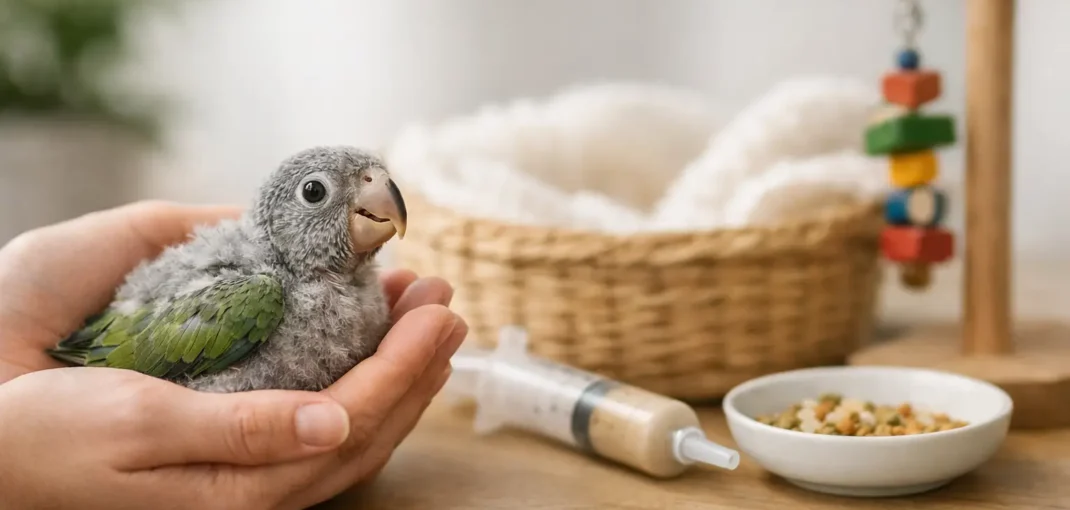
The first day with a baby parrot is exciting, but it can also feel a little nerve-racking. If you are wondering how to prepare for a baby parrot, the biggest goal is simple: create a calm, safe home where your new bird can settle in, feel secure, and start bonding with your family.
A baby parrot is not just a smaller version of an adult bird. Young parrots are still learning routines, building confidence, and adjusting to new sounds, people, and spaces. That means your preparation matters more than most first-time owners expect. The cage setup, room choice, feeding plan, and even how much attention you give in the first few days can shape how comfortable your bird feels.
How to prepare for a baby parrot before it comes home
Before your bird arrives, think less about decorations and more about stability. Baby parrots do best when their environment feels predictable. A well-prepared setup helps reduce stress and gives you a smoother first week.
Start with the cage. It should be roomy enough for your parrot to stretch, climb, and move easily, but not so oversized that a very young bird feels lost or insecure. Bar spacing matters just as much as overall size. Smaller species like parakeets and cockatiels need narrower spacing, while larger parrots need sturdier bars and stronger locks.
Place the cage in a part of the home where your bird can see and hear the family without being stuck in constant commotion. A living room corner or family room often works well. A kitchen usually does not. Fumes, temperature changes, and nonstop traffic can make that space risky for parrots.
Inside the cage, keep the layout simple at first. A couple of appropriate perches, food and water dishes, and a few safe toys are enough. New owners sometimes overfill the cage because they want it to look fun, but too many toys and accessories can overwhelm a baby bird. It is better to start with a calm setup and add variety once your parrot is more confident.
Build a safe space, not just a pretty one
Parrot safety starts long before your bird steps onto a perch. Household dangers that seem minor to people can be serious for birds. Air fresheners, scented candles, smoke, aerosol sprays, and nonstick cookware fumes can all create problems. Even a sweet-smelling room can be the wrong room for a parrot.
Windows, mirrors, ceiling fans, electrical cords, and other pets also need attention. If your baby parrot will eventually have supervised time outside the cage, those hazards should be managed from the beginning. It is much easier to create safe habits now than to fix risky ones later.
Temperature is another detail people overlook. Baby parrots should not be placed near drafty windows, blasting air vents, or direct afternoon sun. They do best in a stable, comfortable indoor environment. If a room feels chilly or swings from hot to cold, it is probably not the best spot.
Feeding prep matters more than most people think
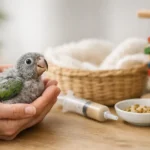
One of the most important parts of learning how to prepare for a baby parrot is understanding food before your bird gets home. You do not want to be guessing at mealtime with a young parrot in front of you.
Ask exactly what the bird has been eating and how often. Some baby parrots are fully weaned, while others may still be transitioning to solid food. That difference matters. A newly weaned bird may need extra observation to make sure it is eating enough on its own, while a younger bird may require more specialized feeding support.
For most pet owners, a weaned baby parrot is the better fit because the routine is simpler and safer. Even then, keep the same food available at first rather than switching everything at once. A sudden change in diet during a move can add stress and make it harder to tell whether your bird is adjusting normally.
Fresh water should always be available, and dishes should be cleaned daily. Along with your bird’s main diet, you can gradually offer bird-safe vegetables, greens, and small portions of fruit. The keyword is gradually. A baby parrot does not need an all-new menu on day one.
Choose the right toys and perches
Baby parrots are curious, but that does not mean they need the biggest toy bundle you can find. The right toys are safe, age-appropriate, and easy to explore. Soft wood, simple chew toys, gentle shredding materials, and lightweight hanging toys usually work well for young birds.
Watch the size and complexity of everything you place in the cage. Large bells, heavy chains, and oversized toys may suit some adult parrots but can be intimidating or awkward for a baby bird. You want enrichment, not clutter.
Perches also deserve careful thought. Natural wood perches in suitable sizes help with foot comfort and grip. Smooth dowels alone are not ideal for long-term foot health. A mix of perch textures and widths is helpful, but again, keep it manageable. Too many perches can crowd the cage and limit movement.
Plan for the first week at home
The first week should feel calm, not busy. Families are often excited to welcome a baby parrot, especially if children are involved, but a gentle start usually leads to better bonding.
When your bird first arrives, allow time to observe the new surroundings. Some baby parrots are bold right away. Others hang back, stay quiet, or eat less for a day or two. That can be normal. What helps most is a peaceful routine. Speak softly, move slowly, and avoid passing the bird from person to person right away.
This is where expectations matter. A friendly, hand-raised parrot may be ready to interact sooner, but every bird has its own pace. Pushing too much too early can create fear. Let trust build through consistency.
Children should be included with guidance. Teach them to use calm voices, respect cage time, and avoid sudden grabbing or chasing. Parrots can become wonderful family companions, but they need to feel safe before they feel social.
How to prepare for a baby parrot emotionally
A lot of new owners focus on supplies and forget the emotional side of bringing home a young bird. Baby parrots are affectionate and full of personality, but they are also sensitive. They notice tone of voice, daily rhythms, and how people respond to them.
That means patience is part of your setup. Some birds begin chirping, exploring, and stepping up quickly. Others need more time before they show their playful side. Neither response means you have done something wrong.
It also helps to understand that bonding is not instant just because a bird is young. A baby parrot may be ready to connect, but trust still grows through repeated positive experiences. Feeding on schedule, offering gentle interaction, and keeping a stable routine will do more than trying to force fast affection.
Prepare for sleep, noise, and mess
Yes, baby parrots are adorable. They are also noisy, messy, and wonderfully opinionated. Preparing your home means being realistic about that.
Your bird will need a dependable sleep schedule with a quiet, dark period each night. If the cage is in a high-traffic room, think ahead about how you will create that quiet time. Late-night TV, bright lights, and household activity can interfere with rest and lead to cranky behavior.
Mess is part of parrot life too. Food scatter, feathers, and droppings are normal. Put a mat or easy-clean surface under and around the cage area. This small step makes daily cleanup much easier and helps keep the bird’s space fresh.
Noise depends on species, personality, and age. A baby cockatiel or parakeet will sound very different from a young macaw or cockatoo. If you are still deciding which parrot fits your home, be honest about your tolerance for sound, space, and daily interaction. The best match is not always the most colorful bird or the one that first catches your eye. It is the one that fits your family life.
Set up support before you need it
A smart way to prepare is to line up help early. That includes finding an avian veterinarian, learning your bird’s normal eating and droppings patterns, and knowing who to contact if something seems off. Small changes in a baby parrot can matter, and quick guidance can make a real difference.
Keep a simple routine log during the first week or two. Note appetite, activity level, favorite foods, and comfort with handling. This gives you a better sense of what is normal for your bird and helps you spot changes sooner.
If you are buying from a seller that provides personalized guidance, use it. A caring source with experience in young companion birds can make the transition much easier. At Exoticpets701, that kind of reassurance matters because bringing home a baby parrot should feel exciting, not confusing.
Getting ready for a strong bond
The best homes for baby parrots are not perfect. They are prepared, patient, and full of gentle consistency. A clean cage, safe room, familiar food, and calm first week will do far more for your new bird than any fancy accessory ever could.
Give your baby parrot space to settle, reasons to trust you, and a routine that feels secure. That is where the sweetest bonds begin.

1 Comment
[…] Routine helps more than people expect. Feeding at regular times, speaking gently, and giving the bird time to observe its surroundings all support trust. New owners sometimes rush interaction because they are excited. A better approach is warm, patient consistency. […]