
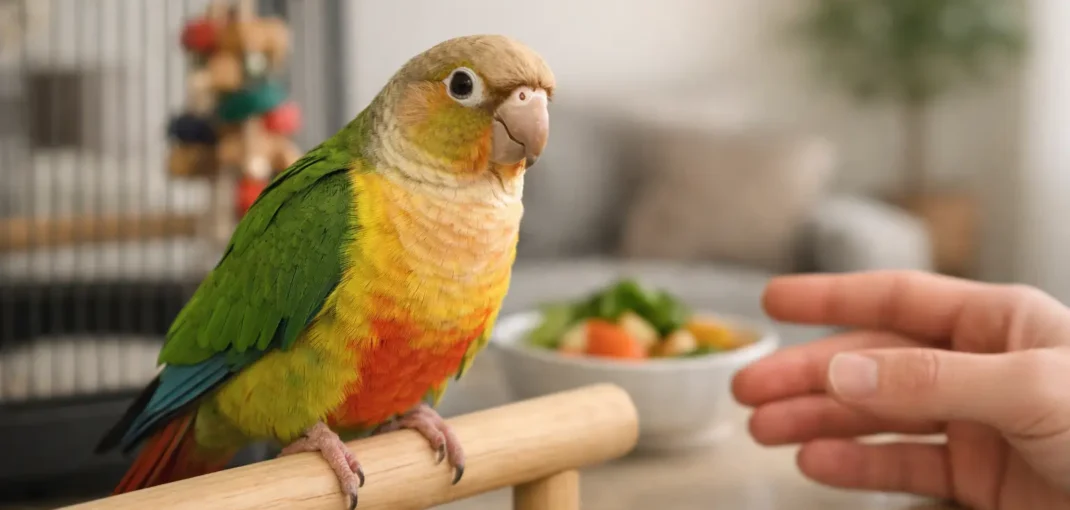
The first few hours matter more than most new owners expect. A parrot may look curious, quiet, or even completely calm on day one, but that does not always mean it feels safe yet. If you are wondering how to help a new parrot settle, the goal is not to rush affection or force confidence. It is to create enough comfort, predictability, and gentle interaction that your bird can start feeling at home in its own time.
A new parrot is processing a lot at once – a different cage, new smells, unfamiliar voices, and a whole new daily rhythm. Even a hand-raised, home-friendly bird that is ready to bond can need a little time to decompress. That is normal, and it does not mean you are doing anything wrong.
How to help a new parrot settle in the first 48 hours
Start by making the environment feel peaceful. Put the cage in a bright room where your parrot can see family life without being stuck in the middle of constant traffic. A spot near people is usually better than total isolation, but avoid loud TVs, slamming doors, barking dogs, and a steady stream of visitors leaning into the cage.
Try not to make the first day too exciting. Many loving owners want to introduce toys, treats, everyone in the household, and lots of hands right away. That can overwhelm a bird that is still trying to figure out whether this is a safe place. Keep things simple at first. Fresh food, clean water, a secure cage setup, and a calm voice go a long way.
It also helps to keep handling expectations low during those first two days. Some parrots step up right away. Others freeze, back away, or watch carefully from a perch. Let your bird show you where its comfort level is. Gentle talking and quiet time nearby often build trust faster than trying to speed up physical contact.
Set up the cage for security, not just looks
A beautiful cage setup is great, but a comforting one is better. Your new parrot needs to feel stable in its space. Place food and water where they are easy to reach, and make sure perches are positioned so the bird can move comfortably without bumping into toys or bowls.
Do not overload the cage on day one. A few well-placed toys are better than filling every inch of space. Some birds enjoy exploring right away, while others are nervous around unfamiliar objects. If your parrot seems hesitant to move around, simplify the setup and add more enrichment gradually.
Sleep is another big part of settling in. Parrots usually do best with a quiet, consistent nighttime routine. A bird that is overtired can become more nippy, more vocal, or more withdrawn. Aim for a dark, restful sleep space each night, and keep bedtime fairly predictable.
Your bird needs routine before it needs training
One of the best answers to how to help a new parrot settle is surprisingly simple: be consistent. Parrots feel safer when the day starts making sense. Feed around the same times. Open curtains at the same time each morning. Use similar words when you approach the cage. Keep evening wind-downs familiar.
This matters because parrots are intelligent and observant. They quickly notice patterns, and predictable patterns reduce stress. A bird that knows when food arrives, when people are nearby, and when the house gets quiet has less reason to stay on high alert.
That does not mean your home needs to feel rigid. Family homes are naturally active. Kids laugh, phones ring, and dinner gets busy. The goal is not perfection. The goal is enough routine that your bird starts to recognize what is normal in your house.
Read body language before you ask for trust
A new parrot will tell you a lot without saying a word. Relaxed feathers, soft blinking, preening, gentle interest, and eating in your presence usually suggest that the bird is starting to feel more secure. On the other hand, pinning eyes, leaning away, slicked feathers, lunging, frantic climbing, or refusing food can signal stress.
This is where many first-time owners get mixed up. They assume a quiet bird is a happy bird. Sometimes it is. Sometimes it is simply unsure. A bird that stays very still for long periods may still be adjusting. That is why observation matters so much in the early days.
If your parrot seems nervous, lower the pressure. Sit nearby and talk softly. Change food and water calmly. Let the bird watch you being predictable and kind. Trust often grows through repeated peaceful moments, not one big breakthrough.
When to interact and when to give space
There is a balance here. Too little interaction can leave a social bird feeling isolated, but too much attention too soon can make settling harder. In most homes, the sweet spot is frequent calm presence with short, positive interactions.
Spend time near the cage reading, folding laundry, or talking to your bird in a warm voice. Offer a favorite treat through the bars if the bird seems receptive. If your parrot comes closer, that is a good sign. If it backs off, respect that and try again later.
Out-of-cage time depends on the bird and the setup. A confident, tame parrot in a safe room may be ready fairly quickly. A more cautious bird may need more time to feel secure inside the cage first. There is no prize for rushing this step. A bird that feels cornered or chased during early handling can become harder to win over later.
Food can either comfort or confuse a new parrot
Diet changes are a common source of settling stress. If possible, begin with foods your parrot already recognizes and then transition slowly if needed. A sudden switch to an entirely different menu may lead to reduced eating, and that is the last thing you want during an adjustment period.
Watch eating habits closely for the first several days. It is normal for some birds to eat more when the room is quiet or when no one is watching. That can make new owners think the bird is not eating at all. Check bowls carefully and monitor droppings as part of the bigger picture.
Treats help with bonding, but avoid overdoing them. A sunflower seed here and there can build positive associations. A constant stream of rich treats can create picky habits fast. Think of treats as trust-builders, not meal replacements.
Family homes need a bird-friendly introduction plan
For families, especially with children, the excitement of bringing home a parrot can be huge. That is wonderful, but the bird still needs a gentle start. It helps to set expectations early. Let everyone know that the parrot is not being unfriendly if it needs quiet time. It is adjusting.
Children should be encouraged to use soft voices, slow movements, and patient observation. One calm family member often does best as the main early caregiver, while everyone else keeps interactions positive and low-pressure. Once the bird begins to relax, it can gradually get used to more members of the household.
This approach usually creates a better long-term family companion. A bird that is allowed to build confidence step by step is more likely to stay relaxed and social than one pushed into too much attention at once.
What if your new parrot seems scared, loud, or withdrawn?
Some settling behaviors look dramatic but are still part of a normal adjustment. A bird may call out more than expected, cling to one perch, avoid hands, or go unusually quiet. The key is to look for trends rather than judging the entire transition by one day.
If your parrot is eating, drinking, observing, and gradually showing more comfort, progress is happening. If you see ongoing signs like refusal to eat, fluffed posture for long periods, unusual droppings, or extreme lethargy, that is different. Those signs deserve prompt attention.
There is also a personality factor. African Greys often take their time and study everything first. Cockatoos may seek closeness quickly but still become overstimulated if the home is too intense. Amazons, macaws, cockatiels, conures, and parakeets all have their own settling styles. It depends on the species, the bird’s age, prior socialization, and the energy of the home.
That is why reassurance matters so much. A slower start does not mean a poor match. In many cases, it simply means your parrot is thoughtful, sensitive, and learning to trust.
How to help a new parrot settle into a real bond
Bonding starts long before cuddles, tricks, or talking. It starts when your bird learns that your presence means safety. Every calm feeding, every respectful pause, and every gentle interaction adds to that feeling.
If you purchased from a care-focused source like Exoticpets701, your bird may already be used to human interaction and family life. Even then, a new home is still a big change. The kindest thing you can do is give your parrot room to adjust while staying warm and engaged.
Over time, the shy looks usually become curiosity. Curiosity becomes approach. Approach becomes routine, and routine becomes trust. That is the point where a parrot stops acting like a visitor and starts acting like part of the family.
Be patient with the process. Your bird is not looking for perfection. It is looking for a home that feels safe, steady, and full of kind people.




1 Comment
[…] hang back, stay quiet, or eat less for a day or two. That can be normal. What helps most is a peaceful routine. Speak softly, move slowly, and avoid passing the bird from person to person right […]