Bringing home a parrot is exciting right up until the first loud call, the first rejected vegetable, or the moment your bird decides the curtain rod is now its favorite spot. That is exactly why a good parrot species care guide matters. The right bird can become a loving, funny, deeply social part of your family, but the right fit depends on more than color, size, or how well a species talks.
Some parrots want constant interaction. Some are gentler with beginners. Some do well in active family homes, while others need a calmer setup and a more experienced hand. If you are choosing between popular companion birds like African Greys, Amazons, cockatoos, macaws, cockatiels, parakeets, or sun conures, care starts with understanding how each species lives, bonds, and behaves in a real home.
How to use this parrot species care guide
Think of species care as a mix of temperament, space, diet, enrichment, and your daily routine. A bird that looks perfect online may not be the best match if your home is noisy, your schedule is packed, or you want a pet that is easier for children to enjoy safely with supervision.
That does not mean one species is good and another is bad. It means the best parrot for your home is the one whose needs you can meet consistently. Parrots thrive on predictability, attention, and patience. When those pieces are in place, even a shy young bird can grow into a wonderful companion.
Choosing the right species for your home
Parakeets and cockatiels
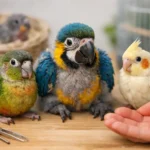
For many first-time bird owners, parakeets and cockatiels are the most approachable starting point. They are generally smaller, easier to house, and less physically demanding than larger parrots. A hand-raised bird can be affectionate, social, and very home friendly.
Parakeets are lively and curious. They often enjoy chatter, climbing, and short training sessions. Cockatiels tend to win families over with their sweet nature, expressive crests, and gentle companionship. Neither bird is maintenance-free, but both can be a comfortable introduction to everyday parrot care.
Sun conures and Amazon parrots
If you want a bird with more energy and a bigger personality, sun conures and Amazons often stand out. Sun conures are playful, cuddly, and full of charm, but they are also known for their volume. That is a major factor in apartments or quieter neighborhoods.
Amazon parrots are smart, social, and often confident. They can bond deeply with their people and enjoy active households, but they also need firm, positive guidance and plenty of mental stimulation. For families who want an interactive bird and have time to stay involved, they can be a joyful choice.
African Greys, cockatoos, and macaws
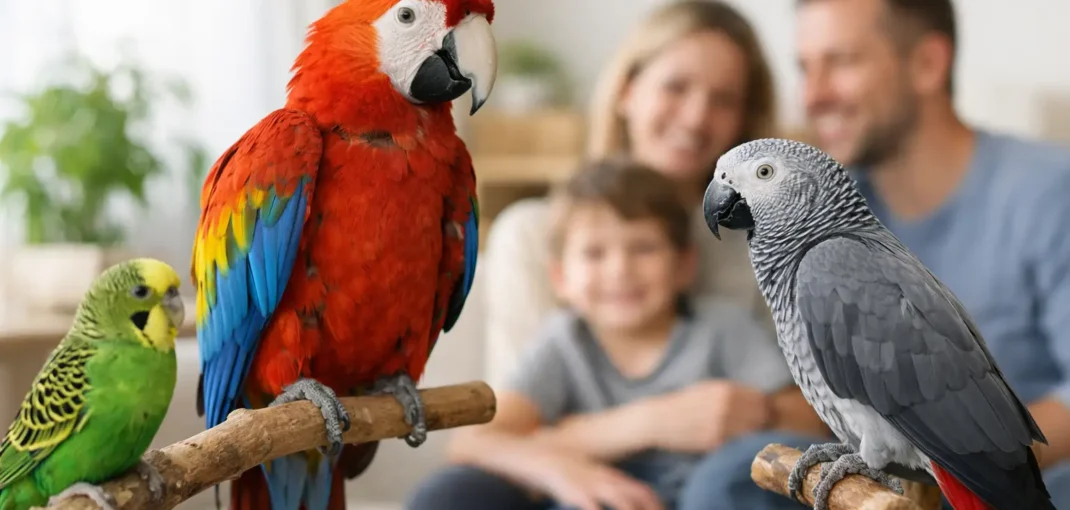
These species are stunning companions, but they are not casual pets. African Greys are exceptionally intelligent and emotionally sensitive. They need social interaction, structured routines, and strong mental enrichment to stay healthy and balanced.
Cockatoos are famously affectionate, but that affection comes with a high need for attention. They often want to be near their people and may struggle if left alone too often. Macaws bring beauty, intelligence, and strong presence, but they need more room, more training, and more long-term commitment than many new owners expect.
Housing and cage setup by species
A parrot’s cage should allow full wing stretching, climbing, and movement without crowding. Bigger birds need bigger cages, but small and medium birds also need more than a decorative enclosure. A cramped cage can lead to stress, feather issues, and frustration.
Bar spacing matters just as much as cage size. Small birds can get into trouble with spacing that is too wide, while large birds can damage weaker materials. Natural wood perches, rotating toys, food and water stations, and safe places to rest all support better daily life.
Placement matters too. Most parrots do best in a part of the home where they can see and hear family activity without being in the middle of nonstop chaos. They want connection, not isolation. At the same time, they need regular sleep, so late-night TV rooms and constant traffic are not always ideal.
Feeding basics for different parrot species
A seed-only diet is one of the most common mistakes new owners make. Most companion parrots need a balanced menu built around quality pellets, fresh vegetables, some fruit, and species-appropriate treats. The exact ratio can vary by bird, size, age, and activity level.
Smaller species like parakeets and cockatiels still need diet variety, even if their portions are modest. Larger birds such as African Greys, Amazons, cockatoos, and macaws need careful nutrition planning because poor diets can affect everything from feather quality to behavior and long-term health.
Fresh foods should be introduced patiently. Many parrots are suspicious of new textures and colors at first. Chopped greens, carrots, bell peppers, squash, and herbs are often good places to begin. Clean water should be available daily, and human junk food should stay off the menu.
Social needs, bonding, and behavior
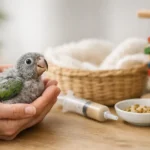
Parrots are not shelf pets. They are social animals that notice routines, moods, voices, and household patterns. A young, tame bird that is ready to bond still needs daily trust-building after it arrives home.
That usually means spending calm time near the cage, offering treats by hand, talking gently, and keeping interactions positive. Some birds bond quickly. Others need a slower pace, especially after the stress of transport and adjusting to a new environment.
A common mistake is expecting instant affection. Even friendly species need time to learn your home and your body language. Children should always be supervised around parrots, not because birds cannot be wonderful family companions, but because both child and bird need help learning respectful interaction.
Daily enrichment in a real family routine
This is the section many buyers overlook in a parrot species care guide, yet it makes the biggest difference in long-term happiness. A bored parrot can become noisy, nippy, withdrawn, or destructive. Enrichment is not extra. It is part of basic care.
Foraging toys, climbing opportunities, chewable materials, training games, and supervised out-of-cage time all help. Smaller birds may enjoy bells, swings, shreddable toys, and target training. Larger parrots often need more durable toys and more complex mental work.
Rotation helps keep things interesting. You do not need to buy a huge pile of toys every week, but you do need to refresh your bird’s environment. Even moving perches or changing a foraging activity can make a familiar cage feel engaging again.
Noise, mess, and the truth about compatibility
Every parrot species comes with trade-offs. Smaller birds can be easier to manage physically, but they may still scatter food and feathers. Larger birds can be deeply interactive and impressive, but they are louder, stronger, and more demanding.
Sun conures and cockatoos are often louder than first-time owners expect. African Greys may be quieter than some species, but they can be more emotionally complex. Amazons can be fun and outgoing, but they need structure. Macaws need significant space and handling confidence. Cockatiels and parakeets are often easier fits for family homes, though they still need daily care and social time.
The best choice depends on what kind of life you can offer consistently, not just what species you admire most.
A practical parrot species care guide for new owners
Before bringing a bird home, think through your day honestly. How much time will the bird spend alone? Who will handle feeding, cleaning, and socializing? Is your home prepared for noise, flying, chewing, and routine veterinary care?
It also helps to start with a bird whose temperament matches your household. Friendly, hand-raised companion parrots often adjust more smoothly, especially in homes looking for a bird that is gentle, social, and ready to become part of the family. That is one reason many new owners look for species-specific guidance and support from experienced sellers like Exoticpets701.
Once your bird arrives, keep the first week simple. Offer a stable cage setup, quiet observation time, regular meals, and gentle interaction. Do not rush training or expect your parrot to be fully comfortable overnight. A calm start builds trust faster than forced attention ever will.
Health monitoring should become part of your routine from day one. Changes in droppings, appetite, posture, activity, or feather condition deserve attention. Parrots are skilled at hiding illness, so subtle shifts matter. A relationship with an avian vet is a smart part of responsible ownership.
A parrot can fill your home with sound, color, and personality for years to come, but the best relationships are built on realistic expectations and steady care. Choose the species that fits your life well, then give that bird the patience and consistency it needs to feel safe, loved, and truly at home.