
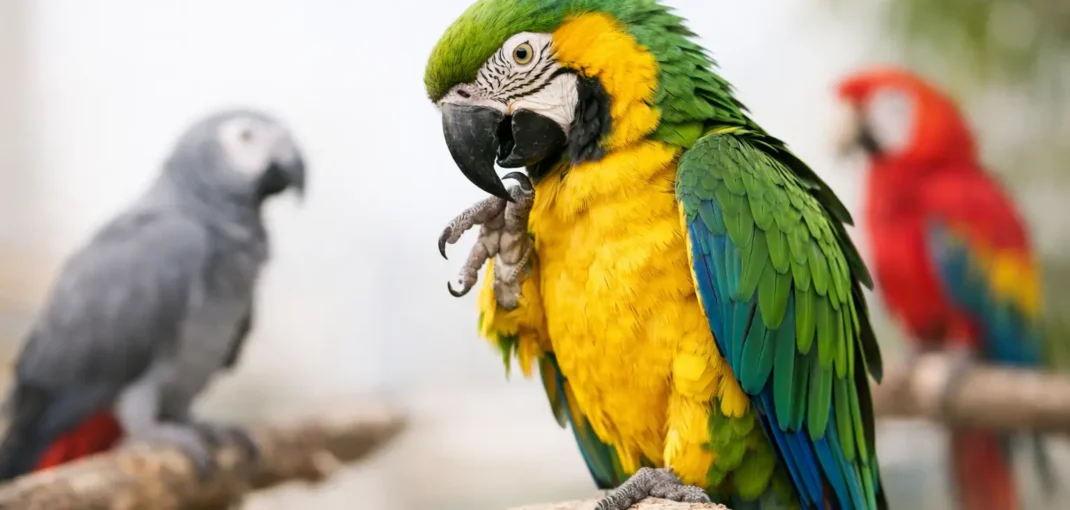
A parrot rarely hides how it feels. The challenge is that many new owners do not realize they are being given clear signals every day. Reading parrot body language signs can help you avoid bites, lower stress, and build the kind of bond that makes a bird feel safe, social, and truly at home with your family.
For families bringing home a young companion bird, this matters right away. A parrot that leans in for attention, fluffs up after a bath, or pins its eyes during excitement is communicating in real time. Once you learn what those movements usually mean, daily care gets easier and your bird becomes much more predictable.
Why parrot body language signs matter at home
Parrots are expressive, intelligent companions, but they do not communicate like dogs or cats. A wagging tail on a dog is easy to read. A wagging tail on a parrot can mean something very different depending on what the rest of the body is doing. That is why context matters so much.
Understanding body language helps with more than behavior. It can also help you notice when a bird is settling in well, when it wants space, and when something may be physically wrong. A relaxed, social parrot usually looks very different from a fearful or overstimulated one. The sooner you recognize those differences, the more confident you will feel as an owner.
The most common parrot body language signs
Fluffed feathers
Fluffed feathers can mean a few different things. A comfortable bird may fluff up briefly when relaxing, preening, or getting ready to nap. Many parrots also fluff after bathing or when they are content on a favorite perch.
But if a bird stays puffed up for a long time, seems quiet, and is less active than usual, that can signal illness or discomfort. Temporary fluffing is normal. Constant fluffing paired with low energy is not something to ignore.
Eye pinning
Eye pinning happens when the pupils rapidly expand and contract. This often shows high excitement. Sometimes that excitement is playful and happy, especially if your bird is standing tall, vocalizing in a friendly way, and leaning toward you.
Other times, eye pinning is a warning. If it comes with a stiff posture, fanned tail, raised neck feathers, or lunging, your bird may be overstimulated or upset. This is one of the best examples of why one signal alone is not enough.
Tail fanning
A fanned tail often means strong emotion. Your parrot may fan its tail when excited, showing off, defending territory, or preparing to make a point. Some birds do it during playful interaction. Others do it right before they tell you very clearly to back off.
If tail fanning appears with pinned eyes and a forward lunge, give your bird space. If it happens during singing, chatting, or happy movement around the cage, it may simply be enthusiasm.
Head bobbing
Head bobbing is common in young birds and can be completely normal. Baby parrots often bob when asking for food or attention. Older parrots may bob when they are excited, energized, or trying to engage with you.
The key is frequency and timing. Gentle bobbing during play is usually harmless. Frantic or repetitive bobbing with signs of stress may mean your bird is overstimulated or trying hard to communicate a need.
Beak grinding
Beak grinding is usually one of the sweetest sounds a parrot owner can hear. It often happens before sleep or during a deeply relaxed moment. In most cases, it is a sign your bird feels secure and comfortable.
This is very different from beak clicking or an open-beak threat posture. Grinding is soft and rhythmic. Threat displays look tense and deliberate.
Feather slicking
When a bird pulls its feathers tightly against the body, it may be alert, nervous, or intensely focused. A sleek body shape often appears when a parrot is assessing something unfamiliar, including a new person, pet, toy, or sound.
This does not always mean fear. Sometimes it simply means attention. But if the bird also freezes, leans away, or avoids contact, it is better to slow down and let the bird adjust at its own pace.
Wing movements
Wing language varies a lot. A gentle wing stretch is normal and healthy. Slight wing lifting can also happen when a bird wants balance or is releasing energy. Young parrots may flap enthusiastically while learning coordination and confidence.
If the wings are held out from the body while the bird appears overheated or stressed, look at the environment. Warm rooms, excessive handling, or recent exertion can all play a role. Repeated drooping wings can also suggest a health concern, especially if paired with lethargy.
Tail wagging
A quick tail wag after preening, stepping up, or settling down is often a sign of release and comfort. Many parrots do this in a relaxed way, almost like a reset.
Tail bobbing is different. If the tail moves up and down with each breath, especially while the bird seems tired or strained, that can be a warning sign of respiratory trouble. That is not normal body language and deserves prompt attention.
Signs your parrot feels safe with you
When a parrot trusts you, the body usually softens. You may notice relaxed feathers, a balanced stance, quiet chattering, preening in your presence, or one foot tucked up while resting. Some birds lower their head to ask for scratches. Others lean toward you, step up easily, or gently nibble without pressure.
These are the moments many families hope for when bringing home a hand-raised companion bird. Trust does not always happen on day one, and that is okay. Calm routines, respectful handling, and patience usually create the best results.
Signs your parrot needs space
A parrot that wants distance will often make that clear before it bites. Watch for feather slicking, freezing, leaning away, turning its back, raising shoulder feathers, opening the beak, or shifting weight as if preparing to move. Some birds will lower the head and stare. Others will pace or climb away from your hand.
This is where many beginners make an easy mistake. They see a beautiful, social bird and assume every moment is a good moment for touch. Even the friendliest parrot can have boundaries. Respecting those boundaries builds trust faster than pushing through them.
How body language can differ by species and personality
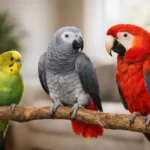
Not every parrot expresses feelings in the same way. African Greys often show subtle caution before deciding whether they are comfortable. Amazons can be animated and intense, especially when excited. Cockatoos may use big crest and body displays that are easier to spot. Conures, cockatiels, and parakeets can be expressive too, but their signals may look smaller or faster.
Personality matters just as much as species. A young, home-friendly bird that has been well socialized may recover quickly from new experiences. A more sensitive bird may need extra observation and slower introductions. That does not make one better than the other. It simply changes how you respond.
Reading the whole bird, not just one sign
The best approach is to look at the full picture. Ask yourself what the feathers, eyes, tail, wings, and voice are doing together. Also consider what just happened. Did the vacuum start? Did a child run past the cage? Did you move too quickly with your hand? Context often explains the signal.
This is especially helpful in a new home. During the first few days, even a sweet and well-handled bird may show mixed signals while adjusting. At Exoticpets701, we know families feel more confident when they can recognize the difference between normal settling-in behavior and a bird that is asking for a gentler pace.
Helping your parrot communicate safely
Your bird should never need to escalate to biting to be understood. If you reward calm signals and pause when your parrot shows discomfort, communication gets clearer over time. Move slowly, keep handling sessions short at first, and let positive interactions end on a good note.
Children should also learn to watch before touching. A parrot that seems adorable and fluffy one second may actually be overstimulated the next. Teaching kids to respect those shifts protects both the bird and the relationship.
You do not need to read every movement perfectly from the start. What matters is staying observant and consistent. The more time you spend with your bird, the easier it becomes to tell the difference between playful energy, quiet contentment, and a clear request for space. That kind of understanding is where real companionship begins.
1 Comment
[…] and more likely to sit with you, whistle for you, or seek out calm interaction. Their crests and body posture also make them easier for beginners to read. You can often tell when a cockatiel is relaxed, […]