The first surprise for many new bird owners is this: parrots are not decorative pets. They are social, emotional, clever little family members with opinions, routines, and a real need for attention. That is exactly why a beginner guide to companion parrots matters so much. Choosing the right bird early can make the difference between a stressful experience and years of joyful companionship.
If you are bringing a parrot into your home for the first time, it helps to think less like a shopper and more like a future flock mate. The best companion parrots are not simply beautiful or popular. They are birds whose size, energy level, noise, and care needs fit your household in a realistic way.
Beginner guide to companion parrots: start with the right match
One of the biggest mistakes first-time buyers make is choosing with their eyes first. A stunning macaw or a talking African Grey can be amazing, but that does not automatically mean they are the right first bird for your home. Companion parrots vary widely in personality, noise, trainability, and daily care demands.
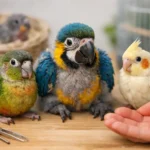
For many beginners, smaller and mid-sized birds are the easiest place to start. Cockatiels, parakeets, and sun conures often appeal to families because they are engaging, affectionate, and easier to house than very large parrots. That said, smaller does not always mean easier. Some little birds are very active and vocal, while larger parrots may be calmer in some households if they are well socialized and given enough attention.
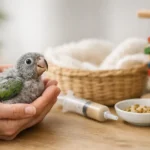
Temperament matters just as much as species. A young, hand-raised bird that is comfortable with people can be a better fit for a beginner than a more independent bird with a complicated history. If your goal is a family-friendly companion, look for a parrot described as tame, social, and ready to bond. That kind of early social foundation can make adjustment to a new home much smoother.
What life with a companion parrot really looks like
Parrots bring warmth, personality, and connection into a home, but they also change your daily rhythm. They need fresh food, clean water, cage care, enrichment, and time outside the cage. They also need interaction. A lonely parrot can become noisy, withdrawn, or destructive.
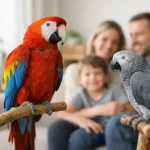
This is where honesty helps. If your household is gone ten hours a day with little time for hands-on interaction, some species may struggle. If your home is lively, affectionate, and able to include a bird in the day-to-day routine, many companion parrots do beautifully. Families often do well with birds that enjoy social activity, but children should always be supervised and taught gentle handling.
Noise is another big part of the picture. Even a sweet, home-friendly parrot will make sounds. Some chatter softly. Some whistle. Some call loudly at sunrise, sunset, or when they want attention. There is no silent parrot, only different volume levels and patterns. Apartment living, close neighbors, and work-from-home schedules all matter here.
How to prepare your home before your bird arrives
A good start lowers stress for both you and your parrot. Before bringing your bird home, set up a safe, comfortable space that feels calm rather than chaotic. The cage should be roomy enough for climbing, turning, stretching, and playing. It should sit in a social area of the home, but not in the middle of constant traffic or kitchen fumes.
Parrots are sensitive to their environment. Nonstick cookware fumes, aerosol sprays, candles, smoke, and strong cleaners can be dangerous. Ceiling fans, open windows, loose pets, and toxic houseplants also need attention. Bird-proofing your home is not complicated, but it does require care.
Toys are not optional extras. They are part of healthy daily life. Parrots need things to chew, shred, climb, and explore. Without that outlet, boredom can show up as screaming, feather picking, or biting. Rotating toys keeps life interesting and helps a young companion bird stay curious and confident.
A beginner guide to companion parrots and daily care
The best beginner setups are simple, clean, and consistent. Feed a balanced diet with species-appropriate pellets, fresh produce, and safe treats rather than relying only on seed. Fresh water should always be available. A clean cage, proper sleep, and regular routines go a long way toward keeping a bird settled.
Sleep is often overlooked by new owners. Most parrots need about 10 to 12 hours of quiet, uninterrupted rest. A bird that stays up late in a bright, noisy room can become cranky and overstimulated. Many behavior problems improve when the bird has a more dependable schedule.
Handling should be gentle and patient. In the first few days, your new parrot may be curious, quiet, clingy, or unsure. All of that can be normal. Avoid pushing for instant cuddling or tricks. Trust is built through calm voices, routine, treats, and short, positive interactions.
Training begins right away, even if it does not look formal. Teaching a bird to step up, return to the cage calmly, and accept hands without fear is more valuable than teaching flashy behaviors. These basics create a happier home and a more confident bird.
Choosing a species for your family and lifestyle
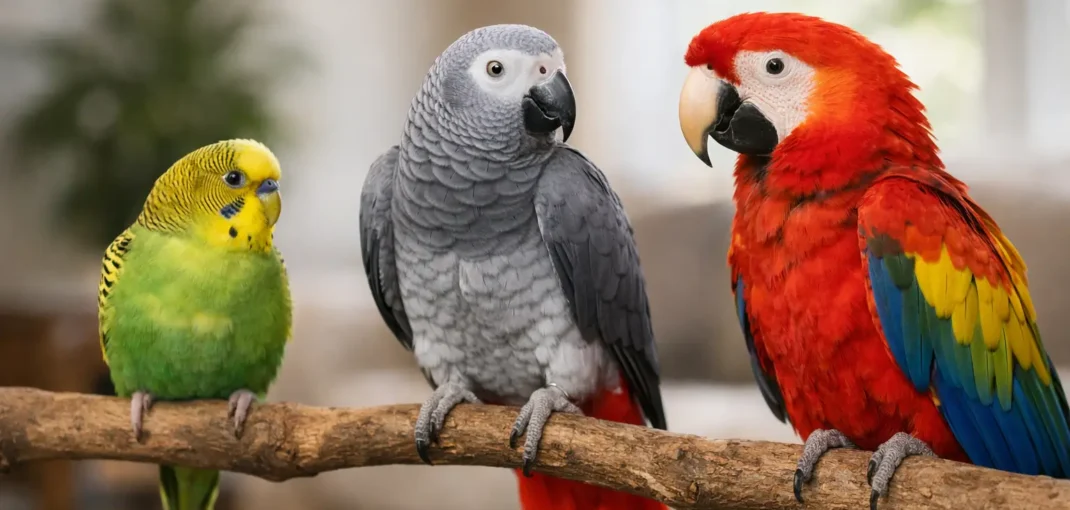
There is no single best parrot for every beginner. There is only the bird that fits your home best. Cockatiels are often loved for their gentle charm, manageable size, and sweet personalities. Parakeets can be cheerful, social, and easier for smaller spaces. Sun conures are bright, affectionate, and full of personality, though they can be quite vocal.
African Greys are deeply intelligent and wonderful companions, but they usually need thoughtful mental stimulation and a committed owner. Amazons can be lively, bold, and entertaining, with strong personalities. Cockatoos are famously affectionate, yet they often require a very high level of attention and emotional engagement. Macaws are stunning family birds in the right homes, but their size, strength, and care needs are significant.
For a first-time owner, the question is not just, Which bird do I love most? It is, Which bird can I care for well every single day? That small shift in thinking leads to better matches and much stronger bonds.
What to expect in the first few weeks
The adjustment period is where patience pays off. Some parrots settle in quickly. Others need time to watch, listen, and feel safe. A bird may eat less at first, stay quiet, or prefer to remain in a favorite spot in the cage. That does not mean something is wrong. It often means your bird is learning the sounds, schedule, and trust level of a new family.
Keep those first weeks steady. Offer meals at consistent times. Speak softly. Sit near the cage. Let your parrot observe you without pressure. If your bird is already social and hand-friendly, short sessions outside the cage can begin once the bird seems comfortable. If not, slow is better than rushed.
This is also when buyers benefit from working with an experienced, care-focused source. A young bird that has been hand-raised and well socialized often transitions more smoothly into home life than a bird with minimal handling. That early confidence can make a real difference for beginners.
Common beginner mistakes and how to avoid them
Most new owners do not struggle because they care too little. They struggle because they expect too much, too fast. A parrot is not a toy, a decoration, or a pet that entertains itself. It is a relationship.
Overhandling, inconsistent routines, poor diet, and not enough enrichment are common issues. So is choosing a bird based only on looks or speech ability. Talking is fun, but companionship should come first. A bird that fits your household well will usually bring more happiness than a more demanding species chosen for bragging rights.
It also helps to accept that every parrot has off days. Hormones, molting, changes in schedule, and overstimulation can all affect behavior. A nip or loud call does not mean you chose the wrong bird. It usually means your bird is communicating something that needs attention.
At Exoticpets701, we believe the best companion parrots are the ones placed with the right families, with the right expectations and support. That is what turns first-time bird ownership into something truly special.
A good parrot does not need a perfect home. It needs a caring one – a place where patience, routine, and affection are part of everyday life. Start there, and your new bird has every chance to become exactly what you hoped for: a bright, loving companion who feels like family.