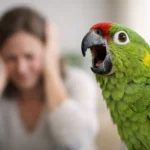
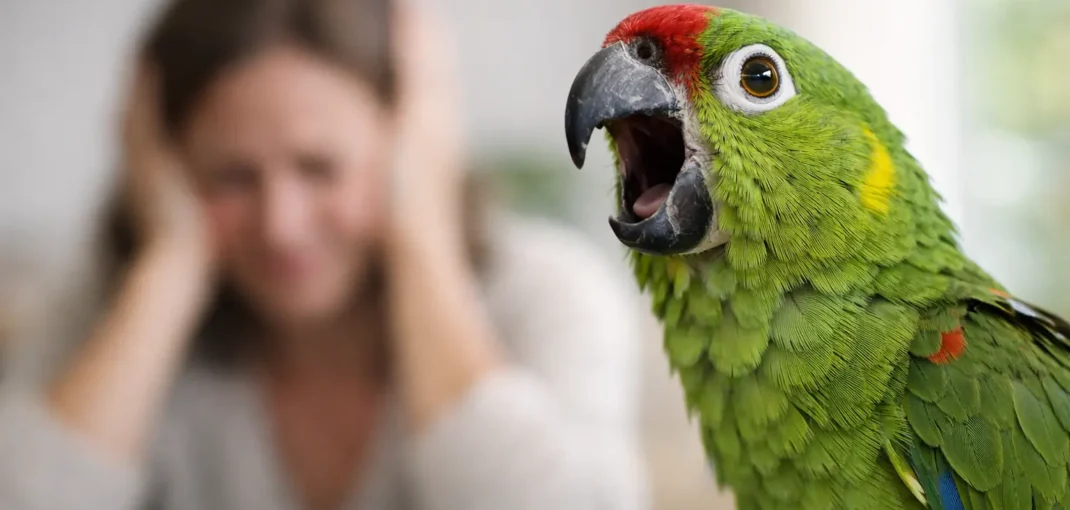
That sharp, repeated call from the other room can rattle the whole house fast. If you have been asking, “why is my parrot screaming,” the good news is that your bird is not usually being difficult for no reason. Parrots are expressive, intelligent family companions, and screaming is often their way of telling you that something needs attention.
The tricky part is that not all screaming means the same thing. Some vocalizing is completely normal, especially at certain times of day. Other times, loud calling can point to boredom, stress, fear, health concerns, or a habit that has accidentally been rewarded. The key is learning the difference so you can respond in a way that helps your bird feel safe, settled, and understood.
Why is my parrot screaming – normal noise or a problem?
Parrots are not quiet pets. Even very sweet, home-friendly birds can be loud. Morning and evening flock calls are natural for many species, and some parrots simply have bigger voices than others. A sun conure, cockatoo, or macaw will usually be much louder than a cockatiel or parakeet, even in a loving, well-managed home.
What matters is the pattern. A few loud calls at sunrise, when you walk out of the room, or when the household becomes active can be normal. Sudden changes are more concerning. If your previously calm bird starts screaming for long stretches, gets louder every day, or seems distressed while vocalizing, it is time to look more closely at the cause.
Common reasons your parrot is screaming
Your bird wants attention
This is one of the most common reasons. Parrots are deeply social animals. In the wild, they rely on flock contact throughout the day. In your home, you become part of that flock. If your bird feels left out, ignored, or separated from favorite people, screaming can become a contact call.
This does not mean your parrot is spoiled. It means your bird is social and trying to reconnect. The problem comes when owners rush over every time the screaming starts. From your parrot’s point of view, screaming worked, so it becomes the go-to strategy.
Boredom and excess energy
A smart bird with too little to do will often get loud. Parrots need mental work just as much as physical care. If the cage setup never changes, toys are ignored or worn out, and your bird spends long hours without interaction, screaming can become an outlet.
Young parrots are especially likely to do this. Hand-raised companion birds often bond strongly with people and expect daily engagement. Without foraging, climbing, chewing, and training opportunities, that energy has to go somewhere.
Fear or environmental stress
Sometimes screaming is a stress response. A new home, unfamiliar people, other pets, loud TVs, vacuum cleaners, construction noise, or even a cage placed in a busy traffic path can leave a bird feeling on edge. Some parrots also become upset by sudden schedule changes.
This is common after bringing a bird home for the first time. Even a friendly, family-ready parrot may need time to adjust to new sights, voices, and routines. A bird that seems loud in the first few days is not always a bad fit. It may simply be overwhelmed.
Hormones and seasonal behavior
During hormonal periods, parrots can become louder, more territorial, and more reactive. Longer daylight hours, nesting-type spaces, overhandling, and certain petting patterns can all contribute. A bird that was manageable for months may suddenly start screaming when hormones rise.
This can be frustrating, but it is not unusual. Hormonal screaming often comes with other behavior changes such as regurgitation, cage defensiveness, pacing, or increased frustration.
A need for better sleep
Many parrot owners underestimate how much sleep these birds need. Most parrots do best with around 10 to 12 hours of uninterrupted darkness and quiet. If your bird is staying up with the household every night, getting woken early, or sleeping in a bright, noisy room, crankiness and screaming can follow.
An overtired parrot can act a lot like an overtired child – louder, touchier, and harder to settle.
Medical discomfort
If the screaming is sudden, intense, or paired with other changes, do not assume it is behavioral. Birds may vocalize more when they are in pain, uncomfortable, or ill. Changes in droppings, appetite, energy level, breathing, posture, or feather condition make this more urgent.
Parrots are very good at hiding illness until they really do not feel well. When a screaming problem appears out of nowhere, a veterinary check is worth taking seriously.
What your parrot may be trying to say
A screaming bird is still communicating. Try to look at the moment before the noise starts. Is your parrot alone? Did you just leave the room? Is there a dog nearby? Did the household get louder? Is your bird hungry, tired, or ready to come out?
Context tells you more than the volume does. A bird screaming while hanging on the cage bars and watching you leave is telling a different story than a bird screaming during dinner prep in a chaotic kitchen. One may need connection and routine. The other may need a calmer environment.
It also helps to notice body language. Wide eyes, flared tail, rigid posture, and pacing can point to stress or overstimulation. Relaxed feathers, bouncing, and playful movement may mean your bird is simply excited and noisy.
How to stop screaming without making it worse
Do not reward the exact moment of screaming
This is where many loving owners get stuck. If you yell back, rush over, uncover the cage, or offer a treat during the loudest moment, your parrot may learn that screaming gets results. Even negative attention can still feel rewarding to a social bird.
Instead, wait for a brief quiet pause, even if it lasts only a second or two, then calmly approach and give attention. Over time, your bird starts to connect quiet behavior with good things.
Build a predictable daily routine
Parrots feel safer when life is easier to read. Feeding times, out-of-cage time, training sessions, and bedtime should happen on a fairly consistent schedule. A bird that knows when attention, meals, and activity are coming is less likely to demand them by screaming.
This matters even more in busy family homes. Children, visitors, and changing schedules can be exciting, but parrots often settle better when the basics stay steady.
Offer better enrichment
A bored bird needs more than one mirror and an old bell. Rotate toys regularly. Include chew toys, foraging opportunities, climbing options, and supervised play outside the cage. Short training sessions can also make a huge difference because they give your bird attention, structure, and a way to use that bright mind.
You do not need a perfect setup overnight. Small changes, made consistently, usually work better than one big burst of effort.
Teach a replacement sound
You may not be able to create a silent parrot, but you can help shape a more manageable noise level. Many birds can learn whistles, words, or softer contact calls that replace full-volume screaming in certain situations.
When your bird uses a preferred sound, respond warmly. That gives your parrot a better tool for getting your attention.
Protect sleep and reduce overstimulation
Make sure your bird has a quiet, dark place to rest each night. During the day, watch for environmental triggers. Some parrots do better away from constant television noise or the stress of seeing outdoor predators through a window. Others become agitated in the center of nonstop foot traffic.
There is no one perfect spot for every bird. It depends on species, personality, and what makes your parrot feel secure.
When screaming is most common in new homes
If you recently brought your bird home and are wondering why is my parrot screaming now, adjustment is a big part of the answer. New parrots often need time to trust their surroundings. They are learning your family’s sounds, routines, and expectations while missing what used to feel familiar.
This is why choosing a well-socialized companion bird matters so much. A young, people-friendly parrot that has been handled properly often transitions more smoothly into family life, though even wonderful birds can have a noisy settling-in period. Patience, a calm routine, and gentle interaction usually help far more than punishment.
What not to do
Punishing a screaming parrot rarely solves the real issue. Yelling, hitting the cage, spraying the bird, or covering the cage as a reflex can increase fear and confusion. Some birds become quieter temporarily, but the underlying stress remains and often shows up in other behavior problems.
It is also wise not to expect every species to behave the same way. Families sometimes compare a conure to a cockatiel, or an African Grey to a cockatoo, and feel discouraged. Good care helps, but natural voice level and personality still matter.
When to get extra help
If the screaming is constant, worsening, or tied to signs of illness, contact an avian veterinarian. If your bird seems healthy but the behavior is becoming a daily struggle, a bird behavior professional can help you identify patterns you may be missing.
Sometimes the answer is simple. Sometimes it takes a few adjustments to find the right routine, toy setup, sleep schedule, or interaction style. That does not mean you are failing. It means you are learning your bird’s language.
A screaming parrot can test anyone’s patience, but the noise is usually information, not attitude. When you respond with calm observation, consistency, and care, you give your bird a better chance to feel safe, connected, and truly at home.