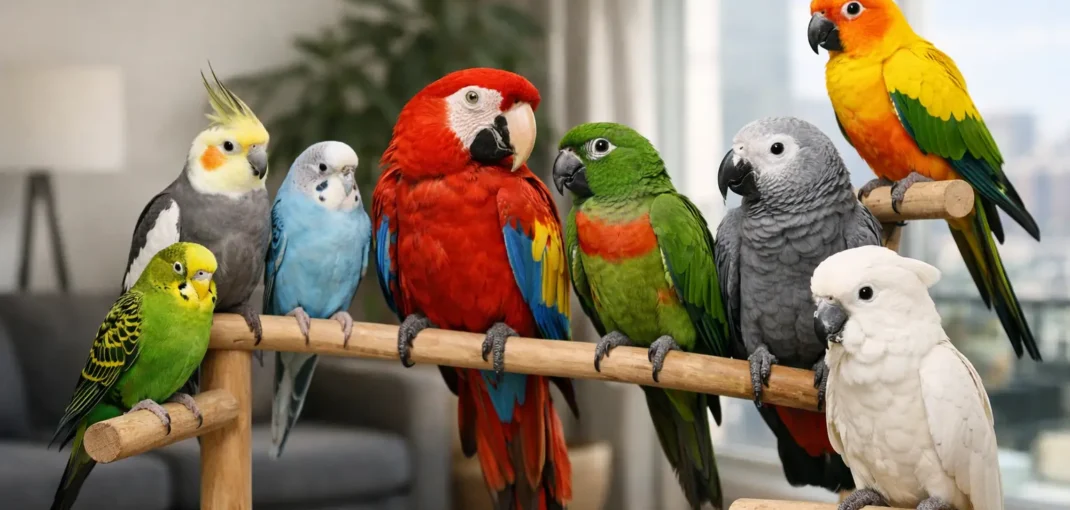
That first excited thought – “I want a parrot” – usually gets followed by a very apartment-specific reality check: noise, space, neighbors, and daily routine. The best parrots for apartment living are not always the flashiest birds or the ones with the biggest personalities. They are the ones that fit your home, your schedule, and the amount of sound your walls can handle.
If you live in an apartment, you do not need to give up on the idea of a loving, social bird. You just need to choose carefully. Some parrots are wonderfully home friendly, easier to manage in smaller spaces, and more likely to settle into family life without turning every morning into a full-volume event.
What makes the best parrots for apartment living?
Apartment living changes the question from “Which parrot is cutest?” to “Which parrot can truly thrive here?” That means looking at more than size. A smaller bird is not automatically quieter, and a beautiful talking species is not always a good fit for close neighbors.
The best apartment parrots usually share a few traits. They tend to have more manageable noise levels, adapt well to indoor routines, and stay emotionally healthy with the amount of out-of-cage time their owners can realistically provide. A bird that is affectionate and easy to bond with can also make apartment life feel much smoother, especially for first-time owners and families.
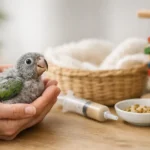
That said, every parrot is still an individual. Age, hand-feeding, socialization, and daily handling matter just as much as species. A well-raised young bird with a calm start often settles in better than a species known as “easy” that has had poor socialization.
8 best parrots for apartment living
Cockatiels
Cockatiels are often one of the safest choices for apartment homes, and for good reason. They are affectionate, charming, and usually easier on the ears than many larger parrots. Their whistles and contact calls can still be noticeable, but their volume is often more manageable than species known for sharp, piercing screams.
They also fit naturally into family life. A hand-raised cockatiel usually enjoys being near people, likes routine, and can become a very loyal little companion. For first-time bird owners, that balance of sweetness and manageable care makes them especially appealing.
The trade-off is that cockatiels are dusty birds. If you have allergies or a very small apartment with limited ventilation, that is worth thinking through before bringing one home.
Budgies
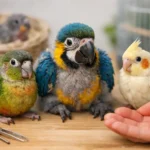
Budgies, also called parakeets, are small, social, and often underestimated. They can be wonderful apartment companions because they do not need a massive footprint and generally produce less intense noise than larger parrots. Their chirping is frequent, but it is usually easier for neighbors to tolerate than a loud screeching species.
They are also a great option for buyers who want a friendly bird without stepping straight into the demands of a larger parrot. With patient handling, young budgies can become very tame, interactive, and eager to bond.
The main thing to know is that their small size does not mean low emotional needs. Budgies still need attention, enrichment, and space to move. A bored budgie can become withdrawn or nippy.
Green-Cheek Conures
If you want a bird with a big personality in a smaller package, green-cheek conures deserve a close look. They are playful, clever, and often very affectionate with their people. Compared with louder conure species, green-cheeks are usually more apartment-friendly, which is why they are so often recommended for smaller homes.
They love interaction and usually do best with owners who genuinely want a hands-on companion bird. For many families and individuals, that is exactly the appeal. They are cuddly, expressive, and full of character.
Still, “quieter than other conures” does not mean silent. A green-cheek can absolutely make noise, especially when excited or calling out for attention. If your building has extremely thin walls, this is one of those it-depends choices.
Parrotlets
Parrotlets are tiny birds with surprisingly bold personalities. They are one of the most space-efficient parrots for apartment homes, and many owners love that they bring real parrot attitude without needing the room a larger species requires.
When socialized well, they can be very attached and engaging. They are often best for people who want a smaller bird that still feels interactive and smart rather than purely decorative.
Their challenge is temperament. Parrotlets can be feisty, territorial, and less forgiving if not handled consistently. For the right owner, that confidence is part of the charm. For households wanting a very gentle, easygoing family bird, another species may be a better match.
Senegal Parrots
Senegals are one of the better medium-sized parrots for apartment settings. They are intelligent, devoted, and often quieter than many larger, more demanding species. For someone who wants a more substantial companion bird without moving into the noise level of a macaw or cockatoo, a Senegal can feel like a very sensible middle ground.
They also tend to bond strongly and can become deeply affectionate with consistent handling. In a calm home, many Senegals do beautifully.
The trade-off is that they can become very one-person birds if socialization is limited. If you want a parrot that easily shifts between multiple family members, you will need to be intentional about shared handling and interaction.
Quaker Parrots
Quaker parrots are smart, funny, and excellent talkers for their size. In terms of companionship, they offer a lot. They are engaging birds that often love routine and can become wonderful household members.
For apartment living, they can work well in some homes because they are not as physically large as many other popular parrots. But they are not automatically a quiet choice. Quakers can be chatty and opinionated, and some individuals are far louder than new owners expect.
They are best for apartment dwellers who are comfortable with a vocal, highly interactive bird and who know their building can tolerate some daily sound. They are less ideal if you need a truly low-noise pet.
Pionus Parrots
Pionus parrots do not always get the attention they deserve, but they are often excellent candidates for apartment life. They are known for being relatively calm, gentle, and less dramatic in volume than many other medium-sized parrots.
That calmer style can be a real gift in a smaller home. A well-socialized Pionus often feels steady and pleasant to live with, especially for owners who want a companion bird without constant intensity.
They may not be the right pick for someone looking for nonstop clownish energy or heavy cuddling. Their personalities can be a little more reserved. But for many apartment owners, that is actually a plus.
Lovebirds
Lovebirds can do very well in apartments when given enough social attention and mental stimulation. They are bright, active, and full of personality, and they fit comfortably into smaller spaces as long as the cage is still roomy enough for climbing and play.
A tame lovebird can be sweet and entertaining, and many owners enjoy their lively, affectionate nature. They can be especially appealing if you want a compact bird that still feels energetic and expressive.
The caution here is that lovebirds can be louder and more intense than their size suggests. They also need regular interaction to stay happy. For some apartment homes they are a great fit, and for others they are just a little too busy and vocal.
Birds that are usually harder in apartments
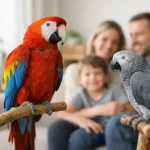
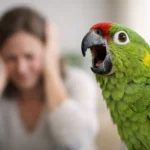
Some parrots are simply more challenging in close living spaces. Sun conures are beautiful and loving, but their noise level can be a dealbreaker for many apartment dwellers. Cockatoos, macaws, and many larger Amazons are also difficult choices in apartments because they need more room, more daily management, and often produce the kind of volume neighbors do not forget.
That does not make them bad birds. It just means they usually shine in homes with more space, fewer shared walls, and owners ready for a much bigger daily commitment.
How to choose the right apartment parrot for your home
The best parrots for apartment living depend on your real lifestyle, not your ideal one. If you work long hours and want a quieter, steadier bird, a cockatiel or Pionus may make more sense than a highly demanding conure. If you want a playful little shadow bird and have time to interact every day, a green-cheek or Quaker could feel like a better emotional match.
It also helps to think beyond noise. Consider dust, mess, cage size, early morning vocal habits, and how easily the bird might adjust to children or multiple household members. A bird that is ready to bond and has been raised with human interaction often transitions more smoothly into home life.
For families and first-time bird lovers, choosing a species known for friendliness and manageable behavior can make the whole experience more joyful. At Exoticpets701, that home-friendly fit matters because the right bird should feel like part of the family, not a stressful mismatch.
A wonderful apartment parrot is not the one with the biggest reputation. It is the one you can love well, care for confidently, and welcome into your everyday life for years to come.