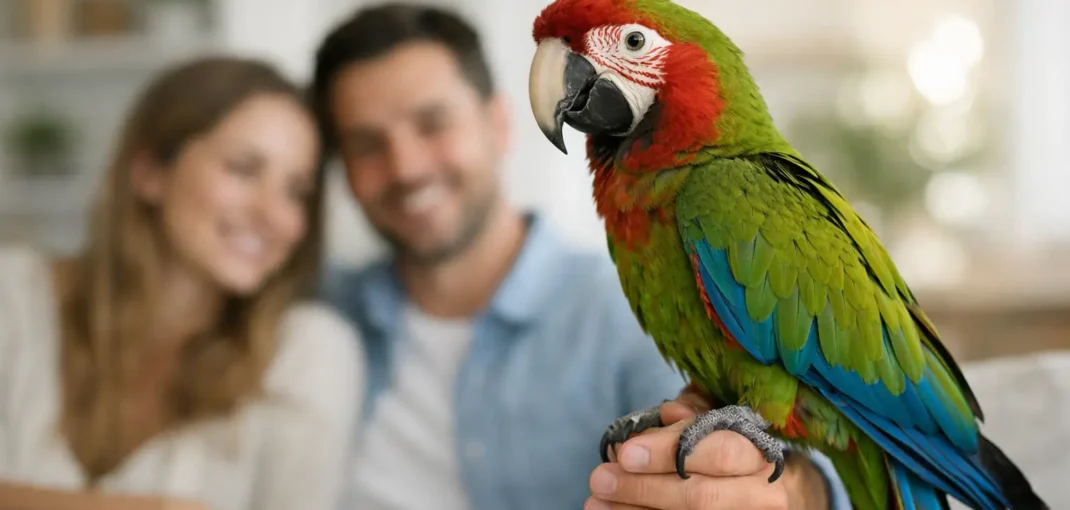
Bringing home a parrot sounds exciting right up until you hit the big question: what is the best age to buy a parrot? Age matters more than many first-time bird owners expect, because it affects bonding, confidence, training, and how smoothly your new bird settles into family life.
The short answer is that there is no single perfect number for every species or every household. But for most families and first-time buyers, a young, fully weaned parrot is usually the sweet spot. That age range often gives you the best balance of tameness, adaptability, and healthy development without the extra risks that can come with a bird that is too young.
Why the best age to buy a parrot depends on the bird
Parrots do not all mature at the same speed. A cockatiel develops differently from a macaw, and an African Grey has different emotional and behavioral needs than a sun conure. That is why age should never be judged in isolation.
A very young parrot may seem appealing because people imagine it will bond faster. Sometimes that is true, but very young birds also need more careful handling and a stable transition. If a bird is not fully weaned or emotionally ready, the move can create stress for both the parrot and the new owner.
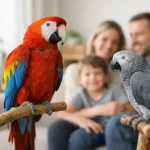
An older juvenile or young adult, on the other hand, may arrive with more confidence and a steadier routine. That can be a real advantage in a busy household, especially if children are involved. The key is not simply choosing the youngest bird available. It is choosing a bird at the right stage of development for a healthy start.
Best age to buy a parrot for bonding and training
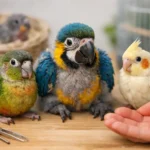
For many companion parrots, the best age to buy a parrot is after the bird is fully weaned but still young enough to be highly adaptable. In practical terms, that often means a young parrot that is eating independently, comfortable around people, and ready to form new routines.
This stage tends to work well because the bird is still open to learning. Young parrots often adjust more easily to a new home, new sounds, and a new daily schedule. They are usually more receptive to step-up training, gentle handling, and social time with family members.
That said, younger is not automatically easier. A baby parrot can be more sensitive, more needy, and more likely to struggle if the home is noisy or inconsistent. Families sometimes expect a very young bird to be calm and cuddly all the time, when in reality young parrots can also be vocal, messy, and demanding while they learn.
Is a baby parrot too young?
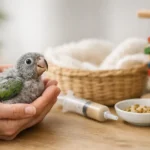
Sometimes, yes. The phrase “baby parrot” can mean different things, and that is where buyers need to be careful. A parrot that is still dependent on hand-feeding is usually not the best match for a typical pet home. Hand-feeding sounds sweet in theory, but it requires skill, timing, and close monitoring. Mistakes can affect the bird’s health and confidence.
A fully weaned young parrot is usually a safer and more comfortable choice. You still get the benefits of a young bird that is ready to bond, but without the pressure of managing a fragile feeding stage. For most households, especially first-time owners, this is the more reassuring path.
If you are shopping for a bird described as young, ask whether it is fully weaned, eating on its own consistently, and already used to human interaction. Those details matter more than a seller simply calling the bird a baby.
Are older parrots a bad choice?
Not at all. In fact, some older parrots are wonderful companions. A healthy older juvenile or adult can be affectionate, social, and already comfortable with basic routines. Some even come with a more settled temperament, which can be easier for new owners than the ups and downs of a very young bird.
The trade-off is that an older bird may already have preferences, habits, or fears. That does not mean the parrot will not bond with you. It just means bonding may look different. Instead of instant attachment, it may take patient trust-building over time.
For experienced bird lovers, that process can be deeply rewarding. For first-time buyers who want a bird that is likely to adapt quickly to a family setting, a younger fully weaned parrot often feels more predictable.
The best age to buy a parrot for first-time owners
If this is your first parrot, it helps to keep things simple. A young bird that has been hand-raised, properly socialized, and fully weaned is often the most beginner-friendly choice. This age range gives you a bird that is still ready to learn your household rhythm but is physically and emotionally more prepared for the move.
That can be especially important in homes with children. Families usually want a bird that is friendly, manageable, and ready to bond without being overly delicate. A parrot that is too young may need more expert-level care than expected. A bird that is too mature and poorly socialized may take longer to relax in a busy home.
The best fit is often a young companion bird with a gentle foundation already in place. That includes regular human interaction, comfort with routine handling, and signs of curiosity rather than fear.
Species matters more than many buyers realize
When people ask about the best age to buy a parrot, they are often really asking about behavior. They want to know if the bird will be sweet, trainable, and family-friendly. Age plays a role, but species traits matter just as much.
Cockatiels, parakeets, and cockatiels often mature into easier starter birds because they are generally manageable in size and often adapt well to family life when socialized early. Sun conures can be loving and playful, but they also bring more energy and noise. African Greys are brilliant and deeply rewarding, yet they are sensitive birds that need patient, thoughtful interaction. Macaws and cockatoos can form intense bonds, but they also require a bigger commitment in space, time, and emotional attention.
So the right age for one species may not feel ideal for another. A young cockatiel may be an easy first step. A young African Grey may still be a great choice, but only if the family is prepared for a smarter, more emotionally complex companion.
Signs a parrot is ready for a new home
Instead of focusing only on the bird’s age in months, look at readiness. A parrot is often in a good place to go home when it is fully weaned, alert, active, eating well, and comfortable being around people. A bird that is curious, steady on its perch, and responsive to gentle interaction is usually showing healthy adjustment skills.
You also want to see clean feathers, bright eyes, and normal movement. Temperament matters too. A good companion bird does not have to be perfectly calm every second, but it should not seem shut down, constantly fearful, or overly stressed by ordinary handling.
This is one reason many families appreciate guidance from a knowledgeable bird-focused seller. Good support helps you look past age labels and focus on the bird’s actual readiness to thrive in your home.
What to ask before you buy
A few simple questions can make your decision much easier. Ask whether the parrot is fully weaned, how it has been socialized, what species-specific behaviors to expect at this stage, and what kind of transition support the bird may need during the first week at home.
It also helps to ask how the bird responds to daily household activity. Some parrots are raised with regular family contact and adapt beautifully to a home setting. Others may need more time and structure. If your goal is a home-friendly bird that is ready to bond, those early experiences matter a lot.
At Exoticpets701, this is exactly why age and temperament should be looked at together. A young bird that has been raised with care and human interaction often offers the warm, companion-focused start most families are hoping for.
So what is the best age to buy a parrot?
For most buyers, the best age to buy a parrot is when the bird is young, fully weaned, socialized, and developmentally ready for a smooth move into a new home. That usually gives you the best mix of bonding potential, training flexibility, and day-to-day manageability.
Still, there is room for nuance. If you are experienced, an older bird may be a lovely fit. If you are brand new to parrots, a fully weaned young bird is often the most reassuring choice. The goal is not to chase the youngest age possible. The goal is to bring home a healthy, confident companion that can truly grow with your family.
The best parrot for your home is not just the right species or the prettiest color. It is the bird whose age, temperament, and early care set both of you up for a happy beginning.