
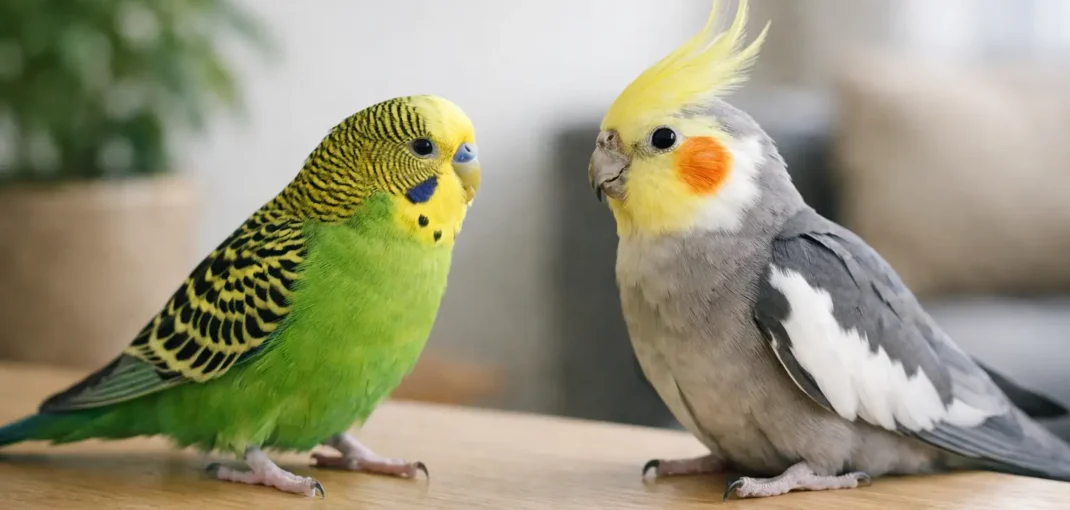
The first thing most families notice in a parakeet vs cockatiel pet comparison is not size or color – it is personality in the room. One bird may be busily chirping, climbing, and checking out every toy. The other may be perched nearby, watching you with soft curiosity and looking ready to step up for attention. Both can be wonderful companions, but they do not feel the same to live with every day.
If you are choosing your first bird, or adding a new feathered family member, this decision deserves a closer look. Parakeets and cockatiels are both popular because they are approachable, affectionate, and generally home-friendly when raised and socialized well. The better choice depends less on which species is “best” and more on what kind of companionship fits your household.
Parakeet vs cockatiel pet: the biggest difference
A parakeet is usually the more active little entertainer. These birds are small, quick, playful, and often happiest when they have plenty to do. They can be very social and charming, especially when handled gently and consistently. If you enjoy watching a lively bird move around, chatter, and stay busy, a parakeet often brings that spark.
A cockatiel tends to feel a bit calmer and more emotionally expressive. Many cockatiels bond closely with their people and enjoy shoulder time, head scratches, and quiet interaction. They are still playful, but they often come across as softer, steadier companions. For families who want a bird that feels cuddly in a bird kind of way, cockatiels often stand out.
This does not mean every parakeet is hyper or every cockatiel is mellow. Individual temperament matters a lot, especially with hand-raised birds. Still, as a general rule, parakeets bring more fast-paced energy, while cockatiels often bring more relaxed companionship.
Size, space, and everyday setup
Parakeets are smaller, which appeals to many first-time owners. Their cage can be easier to place in an apartment, bedroom, or family room, though they still need room to move, climb, and spread their wings. Small bird does not mean small needs. A cramped setup can lead to stress, boredom, and unwanted behavior.
Cockatiels need more space because they are larger and have longer tails. They also benefit from a roomy cage, time outside the cage, and perches that support healthy feet and movement. If your home has a little more space to dedicate to a companion bird area, a cockatiel is usually very manageable. If your living space is tighter, a parakeet may feel easier to accommodate.
Cleaning is part of the picture too. Cockatiels create more feather dust than parakeets, and some homes notice that quickly. Parakeets are smaller and lighter on mess overall, but they can still scatter seed hulls and toy debris with surprising enthusiasm.
Which bird is easier for beginners?
For many new bird owners, the answer depends on what “easy” means.
A parakeet can be easier if you want a smaller bird with lower space demands and a cheerful, busy nature. They are often more budget-friendly in terms of cage size, accessories, and food use. They can also do very well in pairs, which some owners prefer if they cannot offer attention throughout the day.
A cockatiel can be easier if you want a bird that is often more readable and physically easier to handle. Their body language tends to be clearer, and their size can make step-up training feel less delicate than with a tiny parakeet. Many first-time owners also find cockatiels especially rewarding because they seem very tuned in to family routines.
So, beginner-friendly is not one-size-fits-all. If you want small and lively, parakeet may be easier. If you want gentle and interactive, cockatiel may feel like the smoother fit.
Noise level and family life
Neither bird is silent, and no parrot should be chosen with that expectation. Even the sweetest companion bird has opinions.
Parakeets usually make frequent chirping and chatter sounds throughout the day. Their voices are lighter and less piercing, but they can be quite talkative. In a quiet apartment, that constant sound may feel more noticeable than you expected.
Cockatiels tend to whistle, call, and vocalize in a way that can carry farther. Some are fairly mellow, while others have strong morning and evening opinions. Male cockatiels in particular may whistle more often and with more enthusiasm. The sound profile is different from a parakeet – less constant chatter, sometimes more volume and presence.
For homes with children, both species can work beautifully when expectations are realistic. Parakeets may be exciting for kids to watch, but because they are so small and quick, handling needs to be supervised carefully. Cockatiels are often easier for older children to interact with gently, especially if the bird is already tame and comfortable with people.
Affection, bonding, and handling
This is where many families lean toward cockatiels. They often enjoy direct interaction and can become deeply attached to their people. A well-socialized cockatiel may happily sit with you during quiet time, ask for attention, and seem very invested in being part of the household.
Parakeets can be affectionate too, but they often show it differently. Some love stepping up, riding on a finger, and engaging in training sessions. Others are a bit more independent and prefer interaction on their own terms. They can build strong trust, especially when started young and handled regularly, but the bond may feel more playful than cuddly.
If your dream is a bird that may sit with you while you read or watch television, a cockatiel often matches that picture better. If you love the idea of a bright, curious bird that zips around the cage and learns through active play, a parakeet may be more your speed.
Talking and training potential
Parakeets are famous for their ability to learn words, and some become impressive little talkers. Their voices can be soft or fast, so not every word is crystal clear, but their vocabulary potential surprises many people.
Cockatiels can learn words too, though they are often better known for whistles, tunes, and expressive sounds. Many owners fall in love with that cheerful whistling personality. Training can go well with either species when sessions are short, positive, and consistent.
If speech matters most, a parakeet may have the edge. If you want a bird that whistles, interacts, and responds warmly to your presence, a cockatiel is often a joy.
Care needs and long-term commitment
Both birds need more than food and a cage. They need enrichment, routine, social contact, regular cleaning, and a safe environment. That is true whether you choose the smaller bird or the larger one.
Parakeets may look like a lighter commitment because they are little, but they still need daily engagement. Without enough stimulation, they can become withdrawn or difficult to tame. Cockatiels need that same emotional care, and because they often bond closely, they may be more sensitive to loneliness or abrupt routine changes.
Diet quality matters for both. Fresh foods, clean water, appropriate pellets or seed blends, and bird-safe toys all contribute to health and happiness. Veterinary care also matters. Even a friendly, easygoing bird is still an exotic pet that deserves proper medical support.
Lifespan is another piece of the decision. Cockatiels often live longer than parakeets, though care quality and genetics matter. If you are thinking long term, that extra commitment should be part of your choice.
Parakeet vs cockatiel pet for apartments, families, and solo owners
For apartment living, a parakeet may be the easier fit if space is your biggest concern. For households wanting a more hands-on companion, a cockatiel may feel more naturally involved in daily family life.
For busy families, either bird can do well, but only if the home can offer consistency. For a single owner who wants a close one-on-one bond, cockatiels often shine. For someone who loves observation, color, chatter, and playful energy, parakeets can be incredibly rewarding.
This is also where buying from a caring, experienced source matters. A young, well-socialized bird that is handled properly from the start often transitions more smoothly into home life. That early foundation can make all the difference in confidence, tameness, and readiness to bond.
So which one should you choose?
Choose a parakeet if you want a smaller, lively, curious companion with strong playfulness and potential talking ability. Choose a cockatiel if you want a slightly larger bird with a gentler presence, affectionate habits, and a personality that often feels especially family-centered.
Neither choice is wrong. The right bird is the one that fits your pace, your space, and the kind of relationship you want to build. At Exoticpets701, that is how we think about companion birds in the first place – not just by species, but by how naturally they can become part of the home.
The best bird for your family is the one you can welcome with patience, daily care, and genuine affection, because that is when a pet starts feeling like a little feathered family member.